Research
Oct. 21, 2026
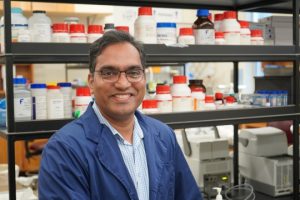
Pigs bridge the gap
$6.6 million in NIH awards will advance genetic engineering and expand the use of pig models for biomedical research.

Oct. 13, 2026
CAFNR celebrates state-of-the-art facilities to benefit Missouri agriculture
The College of Agriculture, Food and Natural Resources at the University of Missouri hosted a day of celebratory ribbon cuttings on Friday, Oct. 9, for four facilities for research, teaching and outreach.
Oct. 12, 2026
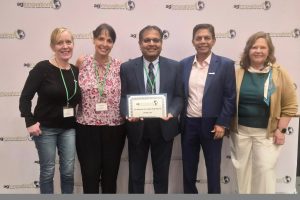
Shibu Jose recognized with Excellence in Leadership Award
The award from agInnovation recognizes Jose's exceptional vision, dedication and guidance within CAFNR and the land-grant system.
Oct. 12, 2026
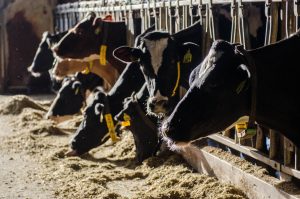
Mizzou cattle herd recognized by Holstein Association
The Holstein Association recognizes herds nationwide for their phenotypic and genetically elite cattle.
Oct. 7, 2026
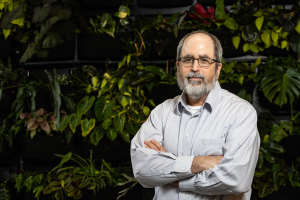
At Mizzou, a scientist is rewriting the rules for how researchers study plant stress
Rather than isolating individual factors one at a time, Ron Mittler studies how organisms respond to multiple stressors simultaneously, paving the way for better crops and potentially better medical treatments.
Oct. 1, 2026
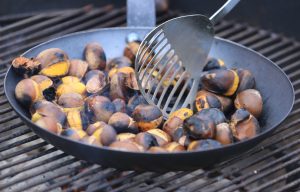
Celebrating Missouri’s perennial harvest at the Missouri Chestnut Roast Festival
Annual festival hosted by the Center for Agroforestry to take place Oct. 10 in New Franklin.
Sep. 30, 2026
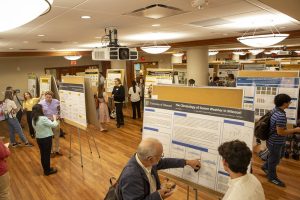
Sixth Annual CAFNR Research Symposium set for Oct. 7
Discovery and innovation will be on display as students, faculty and staff showcase their research through lightning talks and presentations.
Sep. 24, 2026
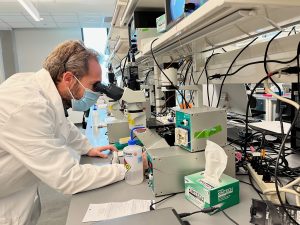
Researchers seek deeper understanding of insulin delivery mechanisms
NIH grant supports Mizzou research into how insulin helps transport sugar throughout the body.
Sep. 24, 2026
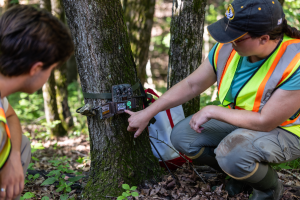
Mizzou researchers help Smithsonian capture a modern picture of America’s wildlife
From a living laboratory in mid-Missouri, students and faculty are contributing thousands of wildlife observations to a landmark national study.
Sep. 22, 2026
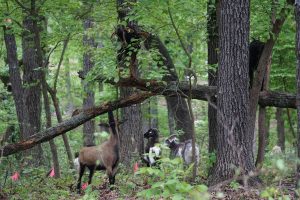
Mizzou research shows goats can help restore Missouri woodlands
Gina Beebe, a University of Missouri doctoral student, is promoting a holistic view of land management that bridges the gap between conservation and agricultural production.