Faculty
Jan. 9, 2018
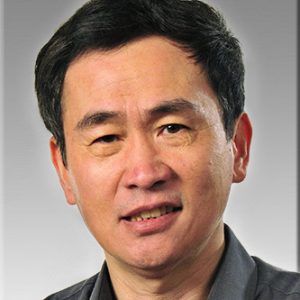
Qisheng Song
Transformation of an insect from larva to adult, i.e. molting and metamorphosis, is a miracle of biology. Molting and metamorphosis provide insect with an ability to adapt to total different environmental conditions at different stages of its life cycle and is the main reason for the great success of insects on this planet. The molting process is initiated by molting hormone, mainly 20 hydroxyecdysone (20E), and ended up with cuticle sclerotization, regulated by a neuropeptide hormone bursicon. The research interests of my laboratory are mainly focused on molecular mechanisms of 20E and bursicon actions. Specifically, we are investigating…
Jan. 9, 2018
Reid Smeda
Educational background Courses taught…
Jan. 9, 2018
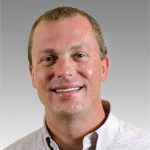
Andrew Scaboo
Educational background…
Jan. 9, 2018
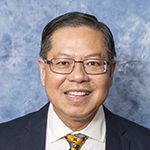
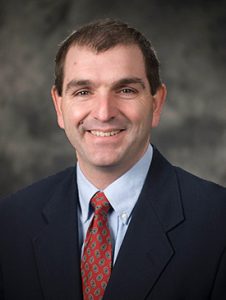
Henry T. Nguyen
Dr. Henry T. Nguyen is a Distinguished Professor of Plant Genetics at the University of Missouri. He was a founder and served as Director of the National Center for Soybean Biotechnology established by the U.S. Congress for over a decade (2004-2016). Before the current position, Dr. Nguyen was a professor of genetics at Texas Tech University and Texas A&M University System for 18 years. The Board of Regents at Texas Tech University awarded him the Paul Whitfield Horn distinguished professorship. He was awarded the Curators’ distinguished professorship by the University of Missouri in 2015. He has a distinguished career…
Jan. 9, 2018
Kelly Nelson
Educational background…
Jan. 9, 2018
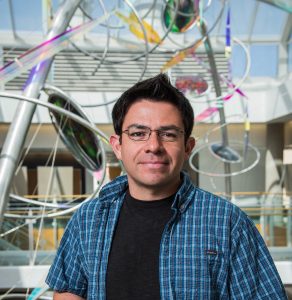
Harley Naumann
Dr. Harley Naumann is an Extension State Forage & Grazing Specialist at the University of Missouri and a faculty member in the Division of Animal Sciences. He received a Ph.D. from Texas A&M University where he evaluated nutritional impacts of native rangeland legumes on ruminant animal production. Dr. Naumann conducts teaching, research and outreach focused on the plant-animal interface. His primary interest is planning and utilizing resilient forage-livestock systems that extend, and even out the unevenness of, cool-season grass-based grazing systems. Dr. Naumann’s work includes strategic use of perennial and annual cool and warm season forages to increase grazing…
Jan. 8, 2018
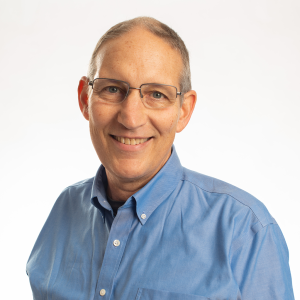
David Mendoza-Cózatl
The main goal of the lab is to understand how plants take up, accumulate and transport trace metals between roots and leaves and from leaves to seeds. Plants and seeds are the main dietary source of essential nutrient metals such as zinc (Zn), iron (Fe), manganese (Mn) and copper (Cu). However, plant-based products are also the main entry point for toxic elements like cadmium (Cd), arsenic (As), mercury (Hg) and lead (Pb). Some of the detrimental effects of heavy metals on human health have been linked to diabetes, hypertension, myocardial infarction, diminished lung function and certain types of cancer.
Jan. 8, 2018
John Lory
John Lory has an Extension appointment in environmental nutrient management. His objective is to promote the efficient use of nutrients from manure and other sources for crop production in a manner that protects water and other natural resources. His extension and applied research program is focused on four areas: Educational background…
Jan. 8, 2018
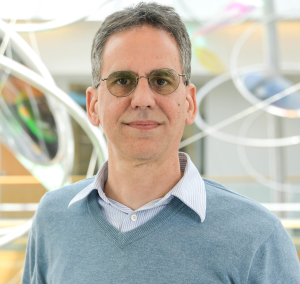
Walter Gassmann
Gassmann received his Ph.D. from UC San Diego in 1996 researching plant membrane transporters in the lab of Dr. Julian Schroeder. As a post-doctoral researcher in the lab of Dr. Brian Staskawicz, UC Berkeley, he cloned and characterized RPS4, one of the founding members of the Toll/Interleukin-1 Receptor – Nucleotide Binding Site – Leucine-Rich Repeat (TNL) class of plant innate immune receptors, that recognizes the presence of the bacterial effector protein AvrRps4. His lab at MU, which he started as an assistant professor in the Department of Plant Microbiology & Pathology in 2000, cloned the second antibacterial receptor of…
Jan. 8, 2018
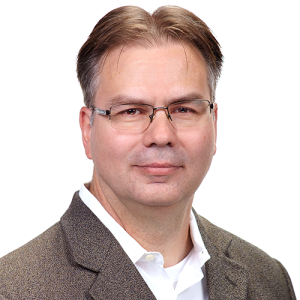
Felix Fritschi
Educational background…