Faculty
Nov. 2, 2017
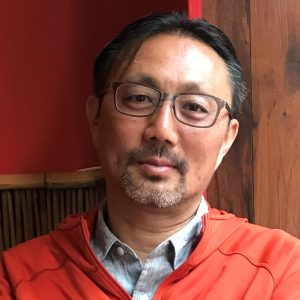
Chung-Ho Lin
Lin is the lead scientist for the bioremediation, natural products and bioanalytical programs at the Center for Agroforestry at University of Missouri. His primary research involves the use of plants, microbes and engineered enzymes for bioremediation, ecological restoration, and development of bioeconomy. His bioremediation research focuses on bioremediation of organic pollutants and human pathogens. Since the COVID19 pandemic in 2020, Dr. Lin has successfully redirected the analytical resources and led his research team joining the task force ‘Coronavirus Sewershed Surveillance Project’ sponsored by the state and federal agencies to provide an early warning and capture the emergence…
Nov. 2, 2017
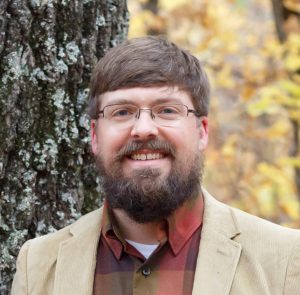
Benjamin Knapp
Educational background Courses taught…
Nov. 2, 2017
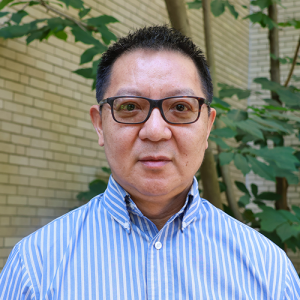
Hong S. He
Educational background Courses taught…

Oct. 31, 2017
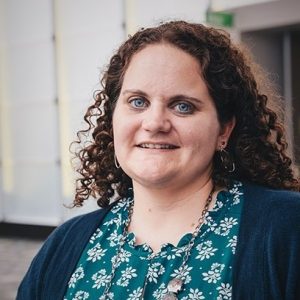
Rocío Melissa Rivera
Rocío completed her M.S. at Iowa State University in the laboratory of the late Dr. Steve Ford. She then pursued a doctoral degree in the laboratory of Dr. Peter J Hansen at the University of Florida. For her post-doctoral training, Rivera worked in the laboratories of Dr. Richard Schultz and Dr. Marisa Bartolomei at the University of Pennsylvania. She attended the Frontiers in Reproduction course in 2007. She joined the Division of Animal Sciences at the University of Missouri as an assistant professor in fall of 2007. In fall of 2019, Rocío participated in the Master of Biology and…
Oct. 31, 2017
Allison Meyer
My overall research objective is to improve efficiency and productivity in beef cattle production through strategic nutritional management of the cowherd. I am especially interested in physiological adaptation mechanisms of pregnant females to their nutritional environment that allow for maternal maintenance and fetal growth. An additional major interest is the developmental programming implications of maternal nutrition when this adaptation is not possible and fetal development is impaired. This overall objective includes investigation into applied production implications as well as systemic physiological, tissue-level, and cellular mechanisms.

Oct. 31, 2017
Matthew Lucy
Lucy is known for his work on the reproductive physiology of high-producing dairy cows. His current research program examines the physiological processes regulating fertility in dairy cows and explores practical methods that evolve from this research. Early embryonic loss is one of the most-pressing reproductive problems facing the dairy industry today. His current work, therefore, focuses on early embryonic development and how uterine disease early postpartum leads to early embryonic loss. Studies range from basic (transcriptomics) to applied (whole animal field trials). Educational background…
Oct. 31, 2017
Jonathan Green
Oct. 26, 2017
Michael Byrne
Educational background Courses taught…
Oct. 26, 2017
Alba Argerich
My research encompasses the following key areas: 1. Nutrient Dynamics and Biogeochemical Processes in Streams: Excess nutrient loading is a major cause of freshwater ecosystem impairment. My research delves into understanding the factors controlling nutrient transport and transformation in streams throughout the year. We have developed innovative techniques, such as a smart tracer using fluorescent dye, to study water exchange between the stream channel and the hyporheic zone, shedding light on how this exchange influences water quality and ecosystem function. 2. Stream metabolism: Stream metabolism involves the balance between organic matter production and consumption in stream ecosystems, impacting nutrient…
Oct. 26, 2017
Stephen H. Anderson
Educational background Courses taught…