Human Health

June 29, 2021
Victoria Vieira-Potter
The Vieira-Potter laboratory studies sex differences in adipose tissue metabolism, and how sex hormones (namely, estrogen) and exercise affect fat cell metabolism. This is done via use of a variety of animal models and state-of-the-art molecular tools. Our goal is to determine adipose (i.e., fat) tissue-specific mechanisms by which hormone shifts and obesity affect cardiometabolic disease risk, and to discover novel interventions to mitigate this risk by specifically targeting adipose tissue. Our work has demonstrated that female hormone loss adversely affects adipose tissue both directly, via loss of the protective effects of estrogen receptor signaling, and indirectly, via brain-specific…

June 29, 2021
Catherine A. Peterson
Catherine Peterson, R.D.N., Ph.D. is a nutrition scientist and registered dietitian. She is an associate professor in the Department of Nutrition and Exercise Physiology (NEP) at the University of Missouri. Peterson earned her PhD in Nutritional Sciences at the University of Illinois at Urbana-Champaign and was a NIH Post-doctoral trainee in the Department of Nutritional Sciences at the University of Wisconsin-Madison. Peterson has also worked as principal nutrition scientist for a major infant formula company. Her expertise is in the role of micronutrients and other dietary factors in disease prevention. She has published original research on the effects of…

June 29, 2021
Jaume Padilla
Dr. Jaume Padilla is a professor in Nutrition and Exercise Physiology at the University of Missouri with a joint appointment at the Harry S. Memorial VA Hospital. His research program focuses on understanding the mechanisms linking metabolic and cardiovascular disease. A primary focus is the study of mechanisms causing endothelial insulin resistance and vascular dysfunction in the context of physical inactivity, obesity, and type 2 diabetes. A detailed understanding of the precipitating factors and mechanisms underlying the defects in vascular insulin actions is critical for the development of therapeutic strategies aimed at improving glycemic control and cardiovascular outcomes. Dr. Padilla’s research, funded…
June 29, 2021
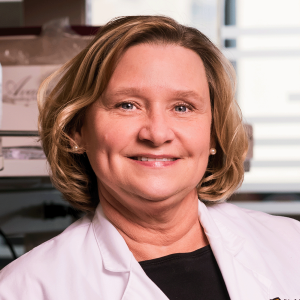
Elizabeth J. Parks
Elizabeth Parks is a Professor of Medicine in the Department of Nutrition and Exercise Physiology and Department of Medicine, both in the School of Medicine at the University of Missouri. She also serves as Associate Director of the Clinical Translational Science Unit and as an investigator in the university’s NextGen Precision Health Initiative. Her research focuses on understanding how the food we eat is processed in the body to benefit health and how it can also contribute to the progression of diseases such as obesity, pre-diabetes, and diabetes. The major research contributions of the Parks Lab emanate from the…

June 29, 2021
Jill Kanaley
Educational background Courses taught…

June 28, 2021
Pam Bruzina
Educational background…

Sep. 4, 2019
Charlotte L. Phillips
To investigate the regulation and structure/function of extracellular matrix to tissue specific expression in the pathogenesis of inherited connective tissue disorders. Type I collagen, the predominant structural protein in many tissues provides strength to bone and tendon, integrity to skin, major organs and blood vessels, and support for mineralization of bone and teeth. Abnormalities in type I collagen synthesis and structure are associated with several acquired and inherited connective tissue disorders (osteogenesis imperfecta, Ehlers-Danlos Syndrome and osteoporosis). Investigating the pathogenesis of the different inherited connective tissues disorders and identifying the specific mutations in the type I collagen genes…

Sep. 1, 2019
Gary A. Weisman
Nucleotide receptors (P2 receptors) are present in nearly all cells and tissues where they mediate diverse functions including the regulation of platelet aggregation, muscle contraction, neurotransmission, insulin secretion, epithelial ion transport, wound healing and cell growth. We have isolated the first human P2 receptor gene and expressed it in mammalian cell lines that normally lack this receptor. These expression systems have enabled us to identify and purify the P2 receptor protein and current research is directed towards investigating structural features of the receptor that affect its functions. We have cloned or obtained 11 different P2 receptor subtypes belonging to…
Sep. 1, 2019
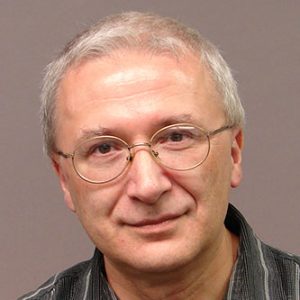
Valeri Mossine
Educational background…

Sep. 1, 2019
Michael J. Petris
The micronutrient copper (Cu) is essential for several key enzymatic processes involved in energy generation, protection against reactive oxygen species, formation of blood vessels, immune function, and healthy functioning of the central nervous system. This nutrient is able to exist in two oxidation states Cu1+ and Cu2+, and participate in the generation of reactive oxygen species. A delicate balance of copper homeostasis must be maintained to provide sufficient levels of this nutrient, while preventing toxic build up. Copper and Cancer Recent evidence suggests that copper plays a key role in tumor growth because this metal…
- « Previous
- 1
- 2
- 3
- Next »