Evergreen
June 3, 2014
Better Research Model
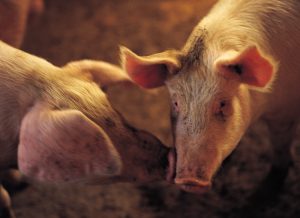
A new line of genetically modified pigs will host transplanted cells without the risk of rejection.
May 8, 2014
Chemical Beacons
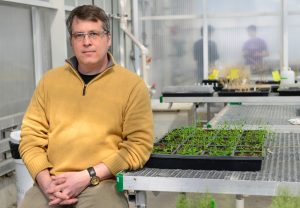
A discovery could lead to natural anti-infective treatments that work with food-producing plants to enhance resistance to harmful bacteria in the field.
March 26, 2014
Fertile Crescent Ancestors
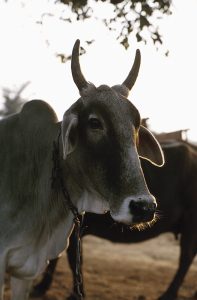
Ancient domesticated African cattle originated in the “fertile crescent,” a region that covered modern day Iraq, Jordan, Syria and Israel.

Jan. 28, 2014
Concealing Swine
The University of Missouri is researching ways to reduce animal agriculture odor.
Jan. 15, 2014
Self-Repairing Plants?
University of Missouri plant science researchers have found a receptor in plants that could be a vital component in the way plants respond to danger, including pests, environmental changes and plant wounds.

Jan. 15, 2014
Newborn Collaboration
A collaborative MU team investigates preeclampsia, a disease that affects 3-7 percent of births worldwide,
Nov. 18, 2013
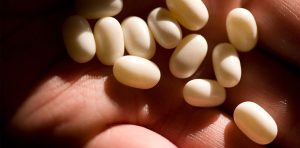
A More Nutritious Seed
From beans to cereal grains, understanding how genes and soil types impact nutrition could one day help produce more nutritious food. One University of Missouri researcher wants to know which genes control the elements in these nutrient-rich packages.
Nov. 10, 2013
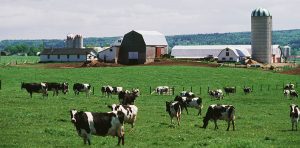
Calcium and Productivity
Higher levels of fat in the liver are often precursors to future health problems in cows.
Nov. 7, 2013
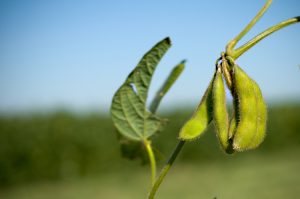
A Safer Bean
Researchers at CAFNR have found a way to create soybean oil that has no trans fats.
Oct. 10, 2013
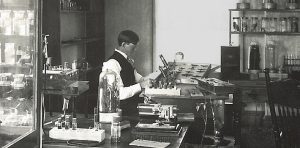
Legacy of Success
Mizzou quickly shot to national and international prominence with the study of insects