Graduate Mentors
Nov. 2, 2017
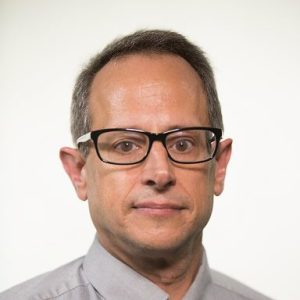
Anthony Lupo
Lupo, Professor of Atmospheric Sciences, Atmospheric Science Program, University of Missouri (MU). He has a BS in Meteorology (State University of New York at Oswego, 1988), and an M.S. and Ph.D. in atmospheric science (Purdue University, 1991, 1995). His research is in large-scale atmospheric dynamics and teleconnections, climate dynamics and variability, tropical meteorology, and climate change including modeling, and has more than 160 peer-reviewed publications. He is a member of the American Meteorological Society (Certified Consulting Meteorologist [CCM] #660), and the National Weather Association. He was a Fulbright Scholar during summer 2004, AY 2014-2015, and October 2017 to Russia.
Oct. 31, 2017
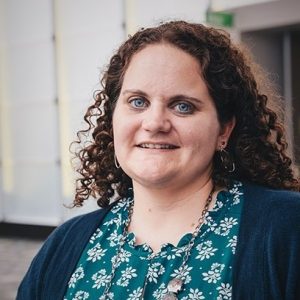
Allison Meyer
My overall research objective is to improve efficiency and productivity in beef cattle production through strategic nutritional management of the cowherd. I am especially interested in physiological adaptation mechanisms of pregnant females to their nutritional environment that allow for maternal maintenance and fetal growth. An additional major interest is the developmental programming implications of maternal nutrition when this adaptation is not possible and fetal development is impaired. This overall objective includes investigation into applied production implications as well as systemic physiological, tissue-level, and cellular mechanisms.

Oct. 31, 2017
Matthew Lucy
Lucy is known for his work on the reproductive physiology of high-producing dairy cows. His current research program examines the physiological processes regulating fertility in dairy cows and explores practical methods that evolve from this research. Early embryonic loss is one of the most-pressing reproductive problems facing the dairy industry today. His current work, therefore, focuses on early embryonic development and how uterine disease early postpartum leads to early embryonic loss. Studies range from basic (transcriptomics) to applied (whole animal field trials). Educational background…
Oct. 26, 2017
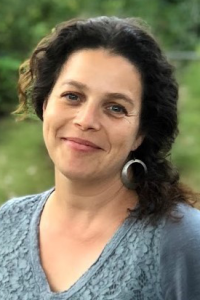
Alba Argerich
My research encompasses the following key areas: 1. Nutrient Dynamics and Biogeochemical Processes in Streams: Excess nutrient loading is a major cause of freshwater ecosystem impairment. My research delves into understanding the factors controlling nutrient transport and transformation in streams throughout the year. We have developed innovative techniques, such as a smart tracer using fluorescent dye, to study water exchange between the stream channel and the hyporheic zone, shedding light on how this exchange influences water quality and ecosystem function. 2. Stream metabolism: Stream metabolism involves the balance between organic matter production and consumption in stream ecosystems, impacting nutrient…
Aug. 23, 2017
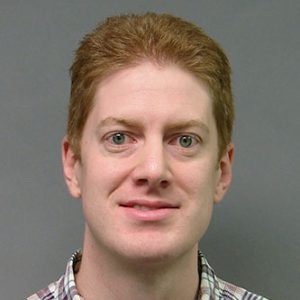
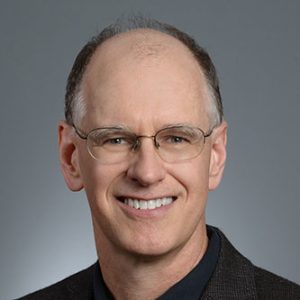
Peter V. Cornish
Research in our laboratory is primarily focused on understanding the complexities of ribosome function using a variety of biophysical methods including NMR and single molecule techniques. One of our projects is in understanding translational regulation in particular the mechanism of recoding where the ribosome shifts reading frame due to the presence of specific structures within the mRNA. Recoding has been observed in all forms of life and has been shown to be essential for the viability of many viruses including HIV-1 and SARS coronavirus. We are also contributing to the ongoing effort of developing antiviral small molecules that specifically…
Aug. 23, 2017
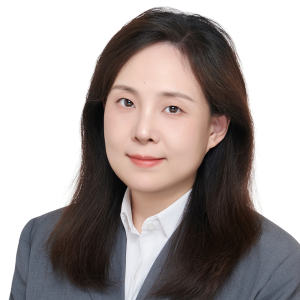
Donald H. Burke
Educational background Research areas Ribozyme mechanism and evolution and the origin of life; antiviral nucleic acid aptamers and the molecular basis of drug resistant HIV-1. Research description Whether we are thinking about the Origin of Life, about the Molecular mechanisms of Viral Pathogenesis, or about RNA-based therapeutics, three kinds of questions underly our work: 1) What can nucleic acids do? 2) How do their sequences and structures relate to their ability to do it? and 3) Can we engineer new biologies by expressing artificial RNAs in cells? Most of the RNA and ssDNA molecules we work with…
July 20, 2017
Pei Liu
Pei Liu, Ph.D., is an Associate Professor of Hospitality Management and Director of Graduate Programs at the University of Missouri. Liu has an extensive record of externally funded research and has served as principal investigator on multiple USDA-NIFA Food Safety Outreach Program projects. Her federally funded work has focused particularly on developing food safety education and training programs for small-scale farmers. Her current research also examines sustainable dining and food choices, food waste reduction, blockchain-enabled food traceability, artificial intelligence and emerging hospitality technologies, and consumer responses to innovative food and service experiences. Her scholarship has…

July 20, 2017
Amanda Alexander
Volunteering Advertising and Consumer Behavior Meetings and Conventions Marketing Educational background Courses taught…

July 19, 2017
Bongkosh (Jeab) Vardhanabhuti
Food ingredient technology The research focuses on the application of colloid and material sciences in revolutionizing food ingredient development for enhanced food quality. This interdisciplinary approach aims to explore the intricate interactions between different materials at a molecular level, thereby enabling the creation of ingredients that contribute to improved taste, texture, stability, and health benefits in various food formulations. Sustainable processing of food ingredients The research focuses on advancing sustainable methods in the processing of food ingredients to address environmental concerns while maintaining their functionality and sensory quality. By prioritizing sustainability, the study aims to develop…
- « Previous
- 1
- …
- 4
- 5
- 6
- 7