Graduate Mentors
July 30, 2024
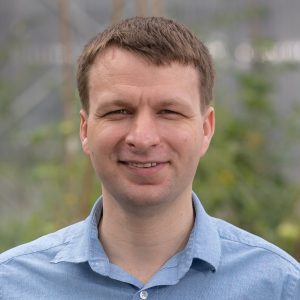
Joseph H. Lynch
Dr. Lynch grew up in rural Washington State and received his BS in Biology from Gonzaga University. He then earned his PhD from Washington State University in the Molecular Plant Sciences program, with his graduate research in the lab of Dr. Sanja Roje focusing on the metabolism of flavin cofactors. After completion of his degree, he took a postdoctoral position in Dr. Natalia Dudareva’s lab at Purdue University studying the production and release of phenylpropanoid/benzenoid volatiles in plants. During his postdoc, he helped elucidate a cytosolic pathway for synthesis of the amino acid phenylalanine in plants that operates in…

July 30, 2024
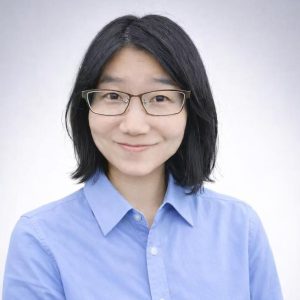
Emily Althoff
Althoff holds a split appointment between MU and Lincoln University. Here, she hopes to research local concerns in pest management and conservation working with local, state, and federal partners. Results from her research are incorporated into her extension programming. Requesting Insect Identification from the Althoff Lab: Email: Send everything to emilyalthoff@missouri.edu. We look forward to working with you to solve Missouri insect mysteries! Educational background…
July 15, 2024
Lijing Gao
Gao was trained as an agricultural science communication specialist and an environmental sociologist, focusing on the interconnectedness of agricultural systems with socio-economic, political, and ethical decisions. Her current research focuses on understanding perceptions of livestock biotechnology, particularly genome editing. Gao employs a mixed-method approach. Educational background Courses taught…
June 2, 2024
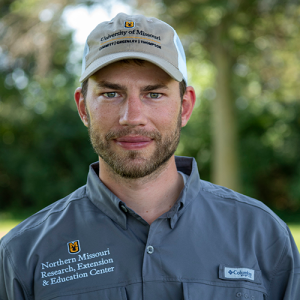
Carson Roberts
Roberts is an Assistant Professor and State Extension Specialist for Forage Agronomy at the University of Missouri. Roberts holds a Ph.D. in Plant and Soil Science from Mississippi State University. Roberts leads an applied research program on forage-livestock systems to support one of the largest beef herds in the U.S. He has a particular interest in in regenerative systems that improve drought resiliency. Educational background…
Dec. 6, 2023
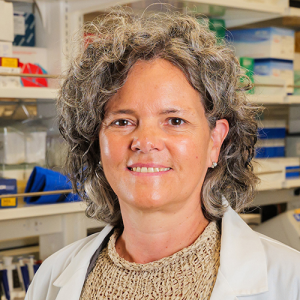
Bettina Mittendorfer

Oct. 15, 2023
Jamie Courter
Courter’s research focuses on applying genetics, genomics and reproductive technologies to improve the productivity, profitability and sustainability of beef cattle production. Her research combines quantitative genetics, genomics and reproductive management to address practical challenges facing beef producers, with an emphasis on economically important traits, including fertility and cow productivity. Her work includes evaluating and validating genomic prediction tools, improving the use of EPDs and selection indexes, investigating genetic influences on reproductive performance, and developing strategies for more effective replacement heifer selection and breeding-system design. Her research also explores the integration of genetic selection with reproductive technologies, including sex-sorted…

Aug. 30, 2023
Jasmine Neupane
Jasmine Neupane is an Assistant Professor of Agricultural Systems Technology in the Division of Plant Science and Technology. Her faculty appointment includes research and teaching responsibilities in Plant Science and Technology. Before starting her position at University of Missouri-Columbia, Neupane was serving as an Assistant Research Professor of Precision Agriculture at Montana State University. Neupane’s research is at the forefront of agricultural innovation, focusing on seamless integration of advanced agricultural technologies into cropping systems. Her work is driven by a deep commitment to addressing the complex challenges facing modern agriculture, such as increasing food production to…
April 4, 2023
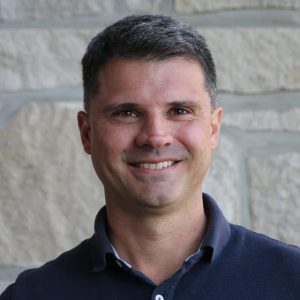
Andre Froes de Borja Reis
Andre FB Reis is the statewide specialist in soybean farming systems and joined the division of Plant Science and Technology in 2023. Educational background…

March 19, 2023
Stephen Mukembo
Mukembo’s interdisciplinary research aims to advance entrepreneurship and innovation as a tool for addressing societal challenges, promoting economic growth, and improving community livelihoods. His work focuses on cultivating the next generation of entrepreneurial and innovative thought leaders, equipped to tackle existing and emerging issues in agriculture, food, and natural resources, as well as rural economic development challenges in Missouri and beyond. Mukembo’s interdisciplinary interests include entrepreneurship and innovation in agriculture (agripreneurship), entrepreneurship and workforce development, sustainable entrepreneurship, sustainable food systems, rural entrepreneurship and ecosystem building, and international agricultural development. Educational background Courses taught…

Feb. 12, 2023
Stephanie Gates
Protein Quality Control (PQC) pathways include molecular chaperones that regulate protein folding and the substrate degradation by the Ubiquitin Proteasome System (UPS). In cancer, uncontrolled protein expression increases cellular dependence on PQC pathways, which protect, refold, or degrade misfolded proteins to promote cancer tumorigenesis. Conversely, a hallmark of neurodegeneration is the failure of PQC pathways to clear toxic proteins, including α-synuclein (Parkinson’s disease), Aβ and tau (Alzheimer’s disease). PQC pathways have a significant impact on human health, however fundamental aspects of these pathways are still not understood. My research group uses structural (cryo-EM), biophysical (smFRET), and biochemical approaches to…