Faculty
Dec. 15, 2017
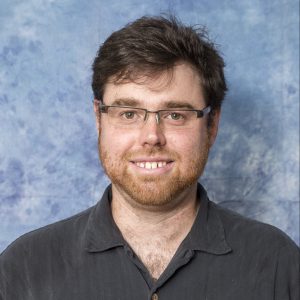
Jeffrey Wood
Wood’s research focuses on ecosystem science and the exchanges of gases and heat between the biosphere and atmosphere. There is specific emphasis on better understanding the factors controlling fluxes of carbon, water, and nitrogen between natural or managed systems and the atmosphere. Educational background Ph.D., University of Guelph MASc, Dalhousie University BSc, Mount Allison University Courses taught ATM_SC 4400/7400: Microclimatology ATM_SC 4520/7520: Environmental Biophysics FOREST 2340: Tree Physiology FOREST 8620: Plant Water Relations…
Dec. 15, 2017
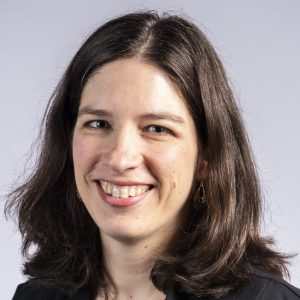
Sonja A. Wilhelm Stanis
Educational background Ph.D., University of Minnesota Courses taught PRST 4250/7250: Parks, Health and Wellness PRST 8430: Social and Behavioral Research Methods PRST 2111: Park Planning and Design PRST 4340/7340: Recreation Land Management…
Dec. 15, 2017
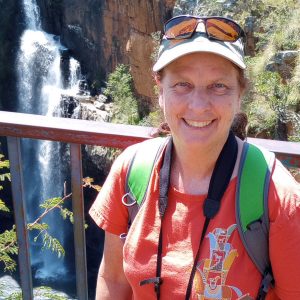
Joanna (Jodi) Whittier
Whittier focuses on applied research typically at landscape scales to assess habitat condition and the association between condition and community composition. She works collaboratively with stakeholders from across the U.S. to identify conservation opportunities based on current and future conditions. Educational background Ph.D., Wildlife and Fisheries Ecology, Oklahoma State University…

Dec. 15, 2017
Jennifer Wentz
Educational background B.A., Leisure, Youth, and Human Services, emphasis in Programming and Tourism, University of Northern Iowa M.Ed., Sport and Fitness Administration, University of Houston Ph.D., Agricultural Education and Leadership, University of Missouri Courses Taught PRST1010, Introduction to Sport, Recreation, and Tourism PRST2115, Practicum Experience PRST2025, Community Engagement and Volunteering PRST3215W, Program and Event Development PRST4208/7208, Administration and Organizational Behavior PRST4940, Internship in Parks, Recreation, Sport and Tourism…
Dec. 15, 2017
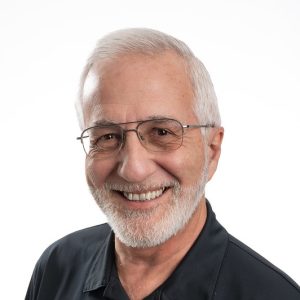
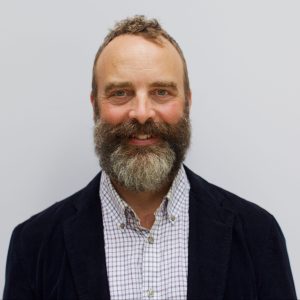
Hank Stelzer
A native of St. Louis, Dr. Stelzer is an Associate Professor of Forestry in the School of Natural Resources and serves as the Natural Resources Education Director for MU Extension. In the School, Stelzer teaches dendrology, forest utilization, and forest management. His Extension responsibilities include educating private landowners in all aspects of woodland management and conducting tree care workshops for homeowners in communities across the Show-Me State. Educational background Ph.D. Forestry, Purdue University Courses taught Dendrology Urban Forestry Forest Utilization…
Dec. 15, 2017
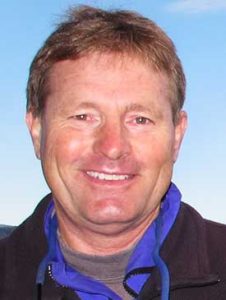
Michael C. Stambaugh
Prior to becoming a scientist, Stambaugh worked as a forester for private industry and the federal government. Since 2010, his forestry research has received over $8 million in grant funding. He collaborates with the U.S. Forest Service, U.S. Fish & Wildlife Service, National Park Service, The Nature Conservancy, and multiple state natural resources organizations. He has been a National Geographic Explorer since 2010 and in 2023 was a Charles Bullard Fellow in Forest Research at Harvard Forest. Educational background Ph.D., University of Missouri Courses taught Forest Ecology Forest Health Advanced Forest Ecology…
Dec. 15, 2017
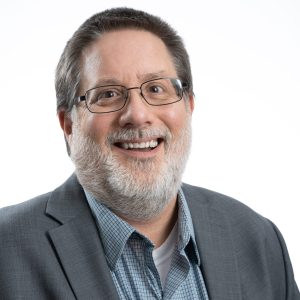
Robert Pierce
Educational background Ph.D., University of Missouri-Columbia, 1998…
Dec. 15, 2017
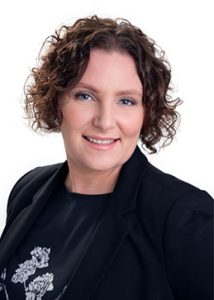
Craig P. Paukert
Paukert is the Leader of the US Geological Survey, Missouri Cooperative Fish and Wildlife Research Unit in the School of Natural Resources. His research is in collaboration with state and federal agencies to help them with their research needs related to climate change adaptation strategies for fish and fisheries, conservation and management of large river fishes, and stream fish conservation at the local and landscape scale. Paukert has a Ph.D. from South Dakota State University, an M.S. from Oklahoma State University, and a B.S. From the University of Minnesota. Prior to arriving at MU in 2010, he worked with USGS…
Dec. 15, 2017
Rebecca North
Research in the North group is focused on addressing the question: What controls algal biomass of inland waters? North’s team focuses on the effects of multiple stressors on nutrient cycling, bioavailability, and primary production in Missouri water bodies with particular attention to the source and timing of nutrient loading and the response of the receiving water body. Ecosystem stressors include, but are not limited to: climate change, landscape modification (i.e., agricultural, urban, and industrial applications), eutrophication, and invasive species (i.e., zebra mussels). North’s research is conceptually driven and applies field, lab, and quantitative approaches to studying issues in watershed and…
Nov. 14, 2017
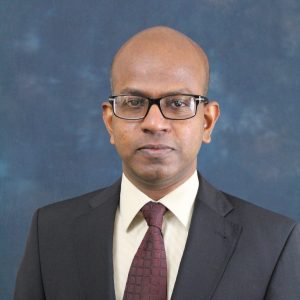
Noel R. Aloysius
Noel Aloysius’ research and teaching focus on terrestrial hydrology, watershed biophysical processes and environmental informatics. Noel’s research group investigates how climate and weather, landscapes and land management drive precipitation-runoff processes and fate and transport of pollution at field-, watershed- and continental-scale river basins. His group utilizes field observations, long-term hydro-climate data, numerical and statistical models to examine the movement of water, solutes and sediments in response to environmental change and human management. Noel is a member of the Gulf Hypoxia Task Force SERA-46 research group representing the University of Missouri. The SERA-46 group is a consortium of twelve Land Grant…