Faculty

Sep. 1, 2019
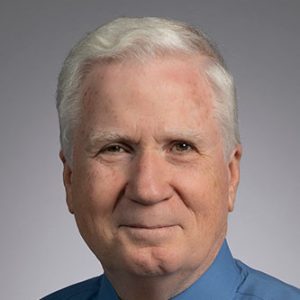
Gary A. Weisman
Nucleotide receptors (P2 receptors) are present in nearly all cells and tissues where they mediate diverse functions including the regulation of platelet aggregation, muscle contraction, neurotransmission, insulin secretion, epithelial ion transport, wound healing and cell growth. We have isolated the first human P2 receptor gene and expressed it in mammalian cell lines that normally lack this receptor. These expression systems have enabled us to identify and purify the P2 receptor protein and current research is directed towards investigating structural features of the receptor that affect its functions. We have cloned or obtained 11 different P2 receptor subtypes belonging to…
Sep. 1, 2019
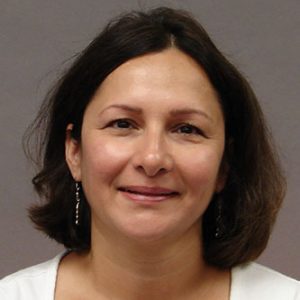
Thomas P. Mawhinney
Research in our laboratories focuses on a number of interrelated topics. In the area of exocrine defense mechanisms, with special emphasis on chronic obstructive pulmonary diseases in man, a sizable effort has been trained on developing a better understanding of mucous glycoproteins as a primary and secondary macromolecular defense response against lung pathogens and irritants. Structural elucidation is yielding significant insight into altered post-translational modifications of the side chain oligosaccharides from these molecules. With structural elucidation of respiratory mucins via classical chemical methodology and techniques involving lectins, 500 MHZ 1H-NMR and 13C-NMR, and fast-atom bombardment mass spectrometry (FAB-MS), we…
Sep. 1, 2019
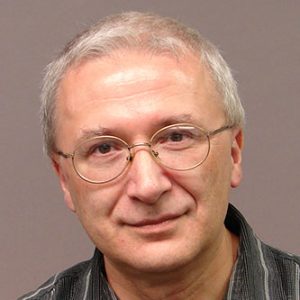
Ritcha Mehra-Chaudhary
Ritcha Mehra‑Chaudhary is a Teaching Assistant Professor in the Department of Biochemistry at the University of Missouri. She has brought over 20 years of research experience across plant physiology, biomedical science, protein biochemistry, and structural biology to her teaching. Dr. Chaudhary earned her M.Sc. and Ph.D. degrees in Plant Physiology from the Indian Agricultural Research Institute (IARI), New Delhi, India. Following her doctoral training, she completed postdoctoral research at the University of Tennessee, Memphis, where she investigated transcriptional regulation and proteomic changes associated with murine muscle cell differentiation, gaining expertise in molecular biology and biomedical research. She subsequently…
Sep. 1, 2019
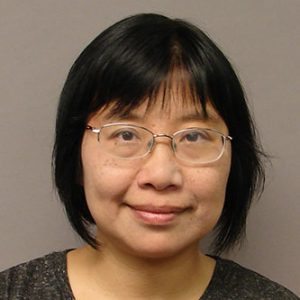
Valeri Mossine
Educational background…

Sep. 1, 2019
Thomas J. Reilly, PhD
Educational background…

Sep. 1, 2019
Michael J. Petris
The micronutrient copper (Cu) is essential for several key enzymatic processes involved in energy generation, protection against reactive oxygen species, formation of blood vessels, immune function, and healthy functioning of the central nervous system. This nutrient is able to exist in two oxidation states Cu1+ and Cu2+, and participate in the generation of reactive oxygen species. A delicate balance of copper homeostasis must be maintained to provide sufficient levels of this nutrient, while preventing toxic build up. Copper and Cancer Recent evidence suggests that copper plays a key role in tumor growth because this metal…

Sep. 1, 2019
Brian Mooney
I am particularly interested in protocol and technology development for proteomics and mass spectrometry. We use mass spectrometry for protein identification, protein/peptide quantitation, and mapping sites of post-translational modifications and protein-protein interactions. Metastable Crystallins: Structure and stabilization (NEI-NIH award R01EY023219) Cataract and a host of other diseases result from abnormal interaction of proteins in the cells. The goals of this research are to understand lens protein aggregation in cataract formation and to develop and test lens protein alpha-crystallin-derived peptide as active mini-chaperones capable of suppressing protein aggregation. Understanding the structural changes in mutant proteins associated…
Sep. 1, 2019
Xiaoqin Zou
The molecular interactions that drive ligand-protein binding are a key to quantitatively understanding the basis of molecular recognition and to designing therapeutic interventions through rational drug design. Drug molecules usually act by binding to specific target proteins. Drug candidates that have high binding affinities can be identified by their geometric and chemical complementarity to the target in a process analogous to solving a “jigsaw puzzle”, if the target structure is known. An energy model that can give rapid and accurate evaluation of the molecular interaction strength is thus essential for selecting plausible candidate compounds from a chemical database consisting…

July 15, 2019
Mallory Lynn Rahe
Mallory Rahe is an associate extension professor at the University of Missouri. She approaches her work in the area of regional and agricultural economic development with an emphasis on assisting producers or stakeholders that are engaging in on-farm investments or considering public investment options. She provides applied research, data analysis and trends, and supports strategic decision making. She has worked on a variety of value-added industry studies, studied farmers market vendor sales and retention, rural population migration and retention, and implemented a regional rural wealth creation program. Her research is often undertaken collaboratively with partner organizations. Educational background…

July 15, 2019
Samniqueka Joi-Weaver Halsey
Educational background Courses taught…