Water
Nov. 13, 2017
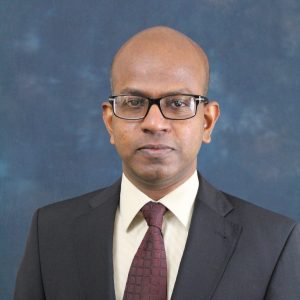
Noel R. Aloysius
Noel Aloysius’ research and teaching focus on terrestrial hydrology, watershed biophysical processes and environmental informatics. Noel’s research group investigates how climate and weather, landscapes and land management drive precipitation-runoff processes and fate and transport of pollution at field-, watershed- and continental-scale river basins. His group utilizes field observations, long-term hydro-climate data, numerical and statistical models to examine the movement of water, solutes and sediments in response to environmental change and human management. Noel is a member of the Gulf Hypoxia Task Force SERA-46 research group representing the University of Missouri. The SERA-46 group is a consortium of twelve Land…
Nov. 2, 2017
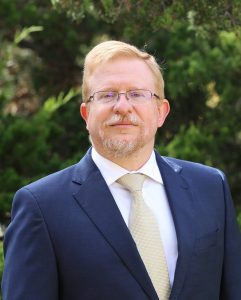
Patrick S. Market
The morphology and evolution of extratropical cyclones, jet streak-frontal interactions, heavy rainfall and snowfall forecasting, and precipitation efficiency, are primary research areas. Educational background Courses taught…
Nov. 2, 2017
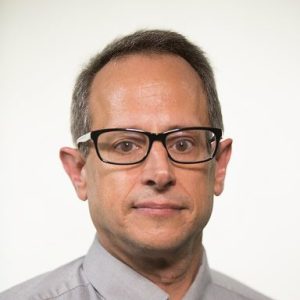
Anthony Lupo
Lupo, Professor of Atmospheric Sciences, Atmospheric Science Program, University of Missouri (MU). He has a BS in Meteorology (State University of New York at Oswego, 1988), and an M.S. and Ph.D. in atmospheric science (Purdue University, 1991, 1995). His research is in large-scale atmospheric dynamics and teleconnections, climate dynamics and variability, tropical meteorology, and climate change including modeling, and has more than 160 peer-reviewed publications. He is a member of the American Meteorological Society (Certified Consulting Meteorologist [CCM] #660), and the National Weather Association. He was a Fulbright Scholar during summer 2004, AY 2014-2015, and October 2017 to Russia.
Nov. 2, 2017
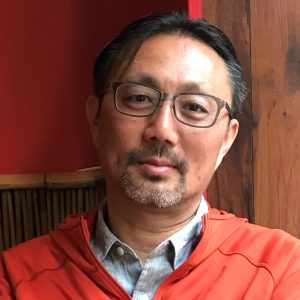
Chung-Ho Lin
Lin is the lead scientist for the bioremediation, natural products and bioanalytical programs at the Center for Agroforestry at University of Missouri. His primary research involves the use of plants, microbes and engineered enzymes for bioremediation, ecological restoration, and development of bioeconomy. His bioremediation research focuses on bioremediation of organic pollutants and human pathogens. Since the COVID19 pandemic in 2020, Dr. Lin has successfully redirected the analytical resources and led his research team joining the task force ‘Coronavirus Sewershed Surveillance Project’ sponsored by the state and federal agencies to provide an early warning and capture the emergence…
Oct. 26, 2017
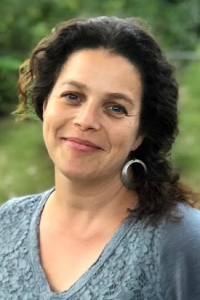
Alba Argerich
My research encompasses the following key areas: 1. Nutrient Dynamics and Biogeochemical Processes in Streams: Excess nutrient loading is a major cause of freshwater ecosystem impairment. My research delves into understanding the factors controlling nutrient transport and transformation in streams throughout the year. We have developed innovative techniques, such as a smart tracer using fluorescent dye, to study water exchange between the stream channel and the hyporheic zone, shedding light on how this exchange influences water quality and ecosystem function. 2. Stream metabolism: Stream metabolism involves the balance between organic matter production and consumption in stream ecosystems, impacting nutrient…
Oct. 26, 2017
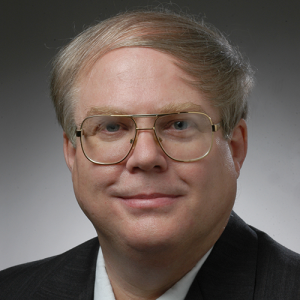
Stephen H. Anderson
Educational background Courses taught…
July 6, 2017
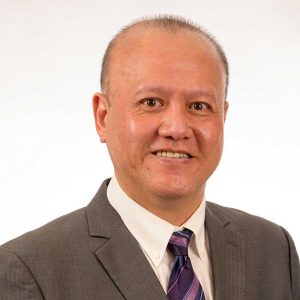
Teng Teeh Lim
Teng Lim develops and assesses practical management and mitigations for agricultural waste management and environmental issues. Emphases include improvement of nutrient management and treatment; air quality including emission evaluation and modeling; and odor mitigation and odor setback distances. Collaborate to develop extension materials, interact with producers and agricultural businesses, and conduct internationally recognized research and extension programs. Educational background…
July 2, 2017
Dan Downing
Educational background Courses taught…
- « Previous
- 1
- 2
- 3