Ecosystems & Environment
Dec. 14, 2017
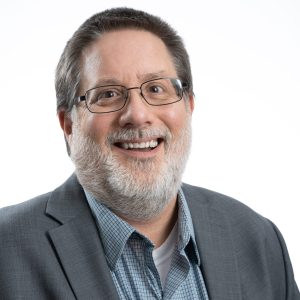
Craig P. Paukert
Paukert is the Leader of the US Geological Survey, Missouri Cooperative Fish and Wildlife Research Unit in the School of Natural Resources. His research is in collaboration with state and federal agencies to help them with their research needs related to climate change adaptation strategies for fish and fisheries, conservation and management of large river fishes, and stream fish conservation at the local and landscape scale. Paukert has a Ph.D. from South Dakota State University, an M.S. from Oklahoma State University, and a B.S. From the University of Minnesota. Prior to arriving at MU in 2010, he worked with…
Dec. 14, 2017
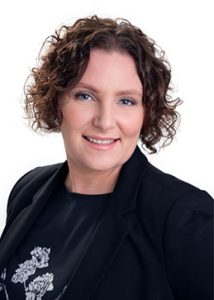
Rebecca North
Research in the North group is focused on addressing the question: What controls algal biomass of inland waters? North’s team focuses on the effects of multiple stressors on nutrient cycling, bioavailability, and primary production in Missouri water bodies with particular attention to the source and timing of nutrient loading and the response of the receiving water body. Ecosystem stressors include, but are not limited to: climate change, landscape modification (i.e., agricultural, urban, and industrial applications), eutrophication, and invasive species (i.e., zebra mussels). North’s research is conceptually driven and applies field, lab, and quantitative approaches to studying issues in watershed…
Nov. 13, 2017
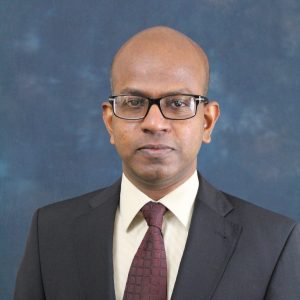
Noel R. Aloysius
Noel Aloysius’ research and teaching focus on terrestrial hydrology, watershed biophysical processes and environmental informatics. Noel’s research group investigates how climate and weather, landscapes and land management drive precipitation-runoff processes and fate and transport of pollution at field-, watershed- and continental-scale river basins. His group utilizes field observations, long-term hydro-climate data, numerical and statistical models to examine the movement of water, solutes and sediments in response to environmental change and human management. Noel is a member of the Gulf Hypoxia Task Force SERA-46 research group representing the University of Missouri. The SERA-46 group is a consortium of twelve Land…
Nov. 2, 2017
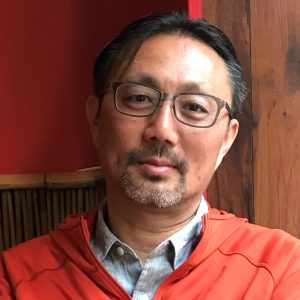
Chung-Ho Lin
Lin is the lead scientist for the bioremediation, natural products and bioanalytical programs at the Center for Agroforestry at University of Missouri. His primary research involves the use of plants, microbes and engineered enzymes for bioremediation, ecological restoration, and development of bioeconomy. His bioremediation research focuses on bioremediation of organic pollutants and human pathogens. Since the COVID19 pandemic in 2020, Dr. Lin has successfully redirected the analytical resources and led his research team joining the task force ‘Coronavirus Sewershed Surveillance Project’ sponsored by the state and federal agencies to provide an early warning and capture the emergence…
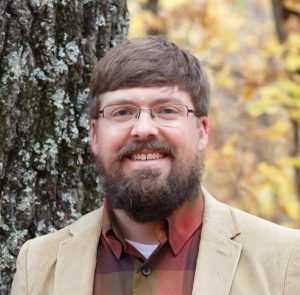
Nov. 2, 2017
Benjamin Knapp
Educational background Courses taught…
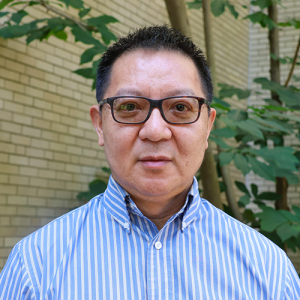
Nov. 2, 2017
Hong S. He
Educational background Courses taught…
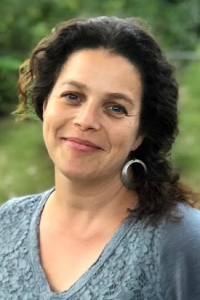
Oct. 26, 2017
Alba Argerich
My research encompasses the following key areas: 1. Nutrient Dynamics and Biogeochemical Processes in Streams: Excess nutrient loading is a major cause of freshwater ecosystem impairment. My research delves into understanding the factors controlling nutrient transport and transformation in streams throughout the year. We have developed innovative techniques, such as a smart tracer using fluorescent dye, to study water exchange between the stream channel and the hyporheic zone, shedding light on how this exchange influences water quality and ecosystem function. 2. Stream metabolism: Stream metabolism involves the balance between organic matter production and consumption in stream ecosystems, impacting nutrient…
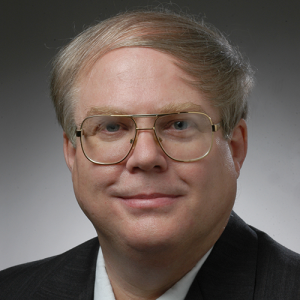
Oct. 26, 2017
Stephen H. Anderson
Educational background Courses taught…
July 6, 2017
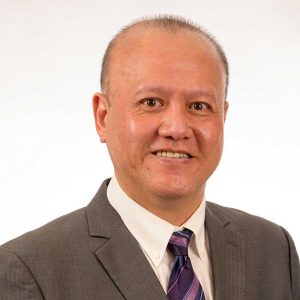
Teng Teeh Lim
Teng Lim develops and assesses practical management and mitigations for agricultural waste management and environmental issues. Emphases include improvement of nutrient management and treatment; air quality including emission evaluation and modeling; and odor mitigation and odor setback distances. Collaborate to develop extension materials, interact with producers and agricultural businesses, and conduct internationally recognized research and extension programs. Educational background…
July 2, 2017
Dan Downing
Educational background Courses taught…
- « Previous
- 1
- 2
- 3
- 4
- 5