Ecosystems & Environment
Sep. 16, 2021
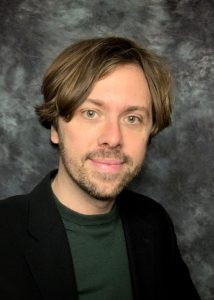
Michael Sunde
Sunde’s research focuses on using quantitative modeling, geospatial and remote sensing approaches to evaluate the impacts of stressors such as urbanization, deforestation and climatic pressures on the environment and to map ecosystems at large scales, with an emphasis on watershed hydrology. His work uses an array of geographic, climatic and remotely sensed data, along with machine learning and physically based models to produce information that can be of utility to planners and decision makers. Educational background…
Aug. 26, 2021
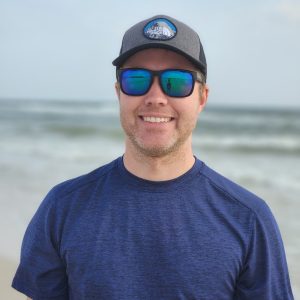
Jacob Westhoff
The research conducted by Jacob Westhoff primarily focuses on the applied needs of state and federal cooperators as part of the Missouri Cooperative Fish and Wildlife Research Unit. These needs often include study of life history, distribution, habitat use, environmental tolerances, and general ecology of aquatic organisms. Educational background…
April 4, 2021
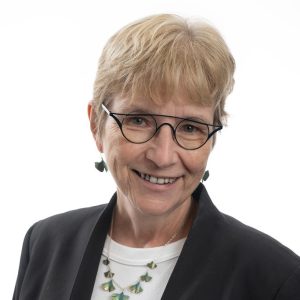
Heike Buecking
Plants are metaorganisms that engage in intimate associations with a wide diversity of microorganisms. Many of these microorganisms are beneficial and help plants to overcome a variety of abiotic and biotic stresses. In our research, we focus particularly on arbuscular mycorrhizal (AM) fungi and nitrogen fixing rhizobia bacteria. AM fungi played a significant role during land plant evolution and form close interactions with the roots of 70% of land plants, including many agronomically important species, such as corn, soybean, or wheat. AM fungi increase the nutrient acquisition of for example phosphate, nitrogen, sulfur, and potassium from the soil, and…
Jan. 20, 2021
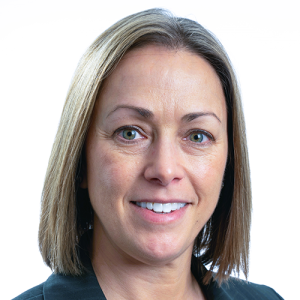
Keri L. Jacobs
Dr. Keri L. Jacobs is associate professor of agricultural and applied economics at the University of Missouri and holds the Partridge Chair in Cooperative Leadership. In 2021, she was named Executive Director of the Graduate Institute of Cooperative Leadership (GICL). In her outreach role, Jacobs partners with cooperatives and their associations to create and deliver director and talent development programs in cooperative governance and finance, and to engage with cooperative boards and leadership in strategic planning. Through collaboration with industry and key stakeholders, she pursues research that seeks to inform and elevate producers’ opportunities through collective action within their…

June 4, 2020
Morgan P. Davis
Davis’ research is centered around soil biogeochemistry in the context of ecological sustainability. The objective of his research is investigating nutrient and energy cycles in both managed and natural ecosystems. This work provides insights for improving sustainability and contributes to foundational biogeochemistry knowledge. He is particularly interested in nitrogen and carbon transformations in forested and agronomic ecosystems. Specific research interests include the following: soil greenhouse gas emissions, soil health, soil organic matter, cover crops, tillage management, nitrate leaching, microbial communities, denitrification, indirect nitrous oxide emissions, and riparian buffers. Educational background Courses taught…
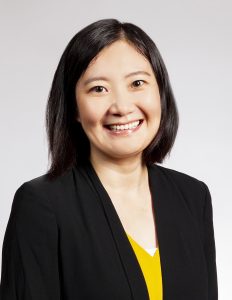
Sep. 3, 2019
Shuangyu Xu
Educational background Courses taught…
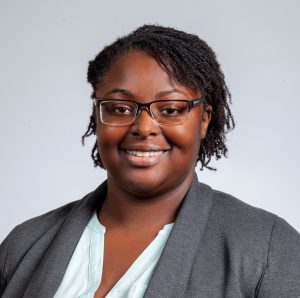
July 15, 2019
Samniqueka Joi-Weaver Halsey
Educational background Courses taught…
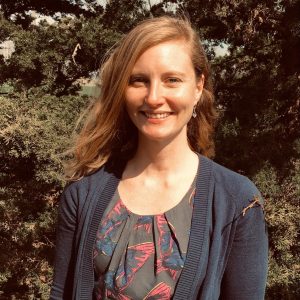
April 7, 2019
Lauren Pile
Educational background…
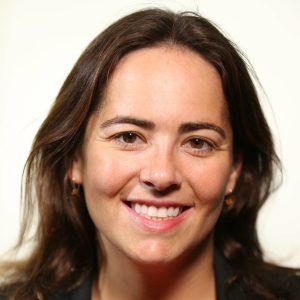
Sep. 26, 2018
Robin M. Rotman
Educational background…
Sep. 8, 2018
Heng Ye
Educational background…