Researchers in Mizzou’s College of Agriculture, Food and Natural Resources (CAFNR) are working to better understand how insulin delivers sugar to cells throughout the body, potentially laying the groundwork for new treatments for diabetes and other metabolic diseases.
The five-year project, titled “Interplay of central and peripheral vascular effects of insulin in obesity,” is made possible by a $3,984,526 grant from the National Institutes of Health (NIH) and breaks new ground in the field of insulin research.
When insulin actions don’t function properly, sugar can build up in the bloodstream, damaging tissues and increasing the risk of type 2 diabetes and cardiovascular disease. The study will examine how insulin works in the brain and in the vessels of skeletal muscle, allowing researchers to understand the various ways insulin controls blood delivery to target organs.
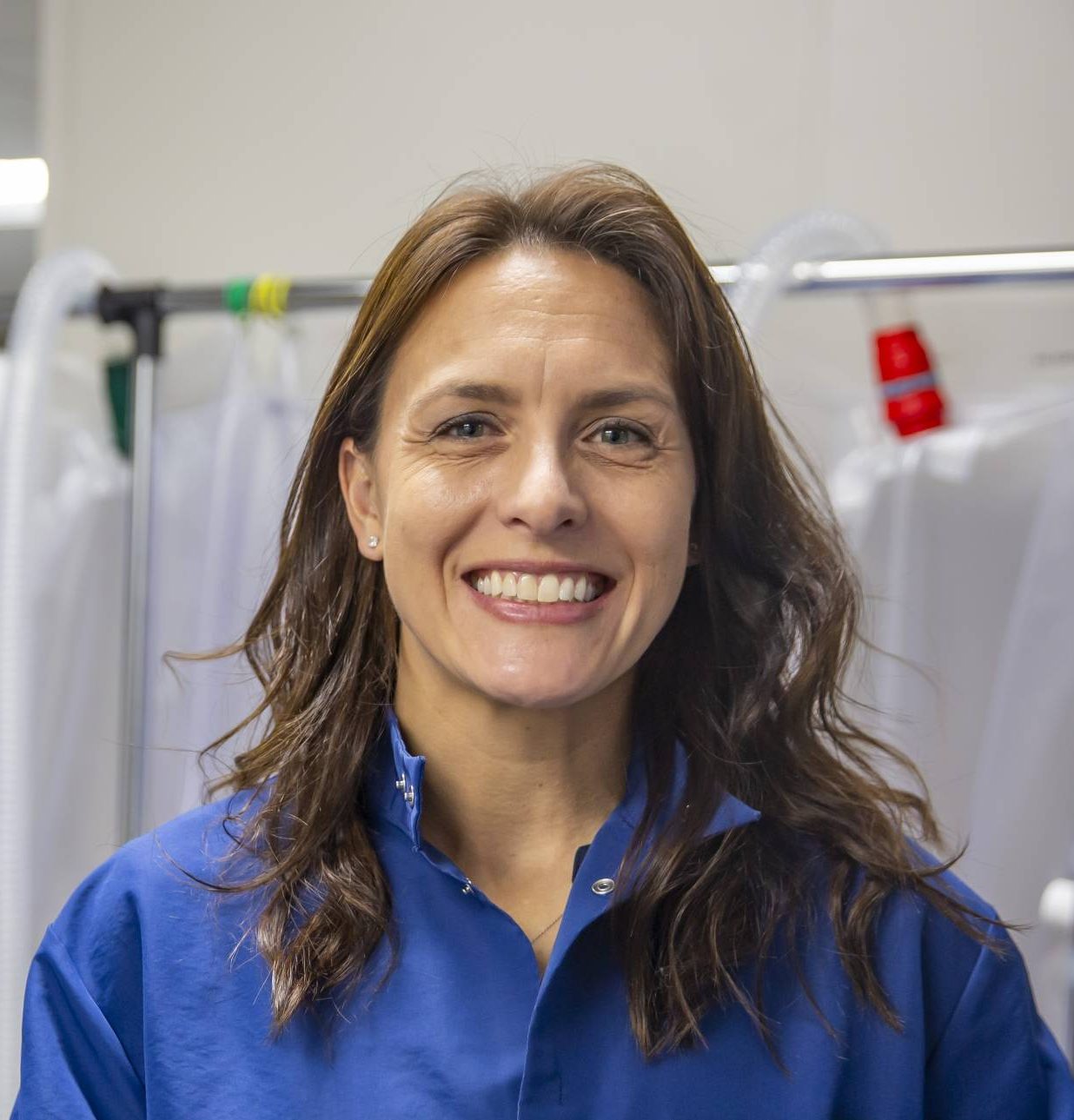
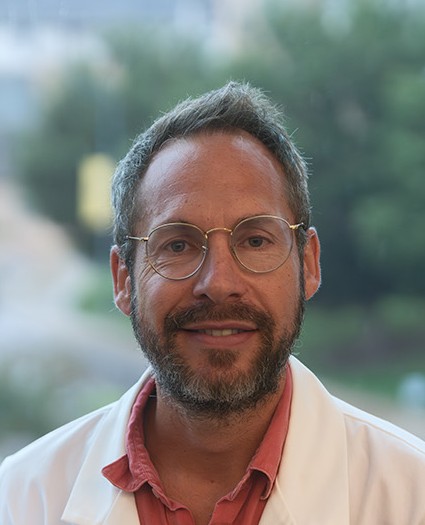
This new line of research is the product of a partnership between Jacqueline Limberg, associate professor of nutrition and exercise physiology, and Jaume Padilla, professor of nutrition and exercise physiology.
Limberg specializes in exploring how the nervous system dictates blood’s movement throughout the body, and her research broadly examines how this changes as individuals age and/or gain weight. Meanwhile, Padilla’s research focuses on understanding how and why blood vessels stop working properly in disease states such as obesity and insulin resistance.
The pair began working together in 2019. Padilla said he and Limberg enjoyed the process of brainstorming ideas and using data from preliminary studies to identify the next important questions, which they can now test.
“This project is the culmination of a seven-year collaboration that we are excited to continue with the support of NIH,” Limberg said.
This project is a type of research study identified by NIH as a “basic experimental study involving humans,” meaning the study will involve human research participants. Limberg explained participants will be exposed to insulin in different ways while she and Padilla measure their bodies’ responses using different approaches, including MRI and ultrasound.
“Specifically, we want to know whether the body is able to deliver the appropriate amount of blood to the tissues that need it when they are exposed to insulin,” Limberg said.
Working in clinical research facilities in the NextGen Precision Health building, University Hospital and Gwynn Hall, Limberg and Padilla will be aided in their research by physicians Brian Bostick, Arun Kumar and Mai-Lan Ho; statistician Mogjin Golzy; researcher Ai-Ling Lin; and postdoctoral researcher Joao Maroco, along with graduate and undergraduate students.
“We are excited this project allows us to recruit new postdoctoral researchers into our team and contribute to their training,” Padilla said.
Before receiving NIH funding, the project began as a small pilot grant. The project was chosen as a recipient of the CAFNR Joy of Discovery Seed Grant and was later supported by a University of Washington in St. Louis grant. Limberg and Padilla then submitted a proposal to NIH, which received a first percentile score — a notable distinction that marks the researchers’ proposal as the best in its section for the entire grant cycle.
“We were happy to learn that the grant reviewers recognized the importance of the research question, the rigorous design and novel approach of the experiments and the likelihood that this research will generate new and useful information,” Limberg said. “It also showed that they trusted the research could be carefully and effectively completed at Mizzou by an experienced team.”
Limberg and Padilla’s study exemplifies one of CAFNR’s greatest strengths: collaboration. The project combines Limberg’s long-standing interest in discovering what might limit blood flow in obesity with Padilla’s research on how blood vessels respond to insulin. Together, they hope their work will increase understanding of insulin actions in the brain and peripheral tissues and contribute to the development of targeted treatments that could reverse the progression of metabolic and cardiovascular diseases.
Learn more about CAFNR research efforts at cafnr.missouri.edu/research/. Want more stories like this? Subscribe to the Research Digest newsletter.