Born and raised in mid-Missouri, John Miles has always known the career path he wanted to pursue.
“Agriculture as a whole is what drives this state and this country, so I knew from a young age that I wanted to get back into something related to the agriculture industry,” he said.
Bringing virtual fencing to the Midwest
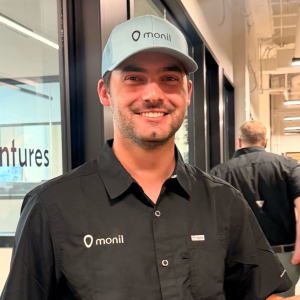
The Marshall, Missouri, native graduated from the University of Missouri in May with a bachelor’s degree in animal sciences. He now works for Monil, where he communicates with cattle producers across the Midwest to sell virtual fencing technology – a high-tech fencing solution that uses GPS-enabled collars and a mobile app to guide animals with sound and mild shock cues.
“There isn’t a truer statement than ‘time is money’, especially in the livestock world,” he said. “We want to provide a service that replaces the many hours of manual labor that putting up an electric fence takes with a quick, five-minute update to your virtual fence on your phone.”
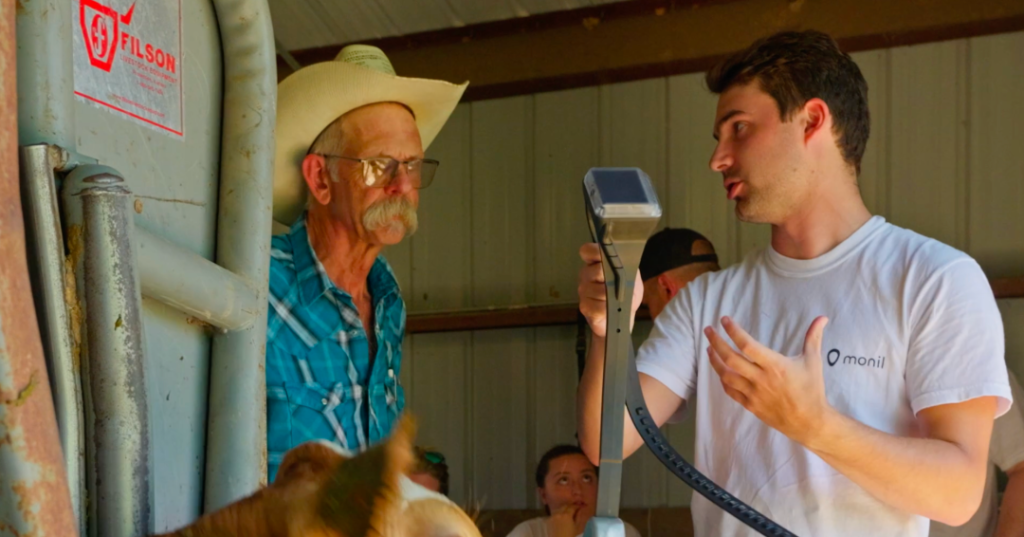
The goal of virtual fencing technology is to make the daily lives of cattle producers easier by giving them greater flexibility and efficiency in managing their operations. Monil is one of several companies aiming to roll out the new technology across the country.
“It can save you anywhere from five to 10 hours each week,” Miles said. “This can allow the user to use their time elsewhere on a different farm project, take a much-needed break or make more time for friends and family.”
Miles is part of the first U.S. sales team within his company that sells the product.
“This position has given me a sense of pride, but with it comes responsibility to represent the company well,” he said. “Making sure everyone can benefit from this technology is crucial.”
From the classroom to the cattle industry
Although Miles works in sales, his academic background in animal sciences has been a crucial asset to his job responsibilities.
“Developing my knowledge around cattle, both on the dairy and beef side, has meant everything when it comes to being good at my job,” Miles said. “It’s given me an edge when it comes to being knowledgeable about what our product can actually do for farmers and ranchers across the nation,” he said.
Miles believes he wouldn’t be where he is today without the impact CAFNR has had on his life.
“Several classes I took not only shaped my mind on what I wanted to do but gave me the tools to achieve it as well,” he said. “So many people within CAFNR played a role in what I’m doing today, and I can confidently say I wouldn’t be where I am without them.”
He credits CAFNR faculty with helping him build the knowledge and skillset that prepared him for his career.
“Dr. Twenter was the one who lit the fire for my love for animal sciences, Dr. Spain encouraged me to think deeper into the issues facing the industry and Dr. Wiegand showed me how the raising of livestock translated to the products we enjoy eating every day,” he said. “I also have to mention Dr. Brake, who taught beef production and helped mold my career focus to not only the cattle industry, but virtual fencing specifically.”
Making more time for what matters
When it comes to using virtual fencing to maximize the efficiency of cattle producers’ workloads, Miles knows firsthand how important each hour of the day is for those who work in agriculture.
“I watched as both of my parents sacrificed their free time to make the farm successful and provide my siblings and me with an amazing upbringing,” he said. “They didn’t always get to celebrate their accomplishments because they were either busy with us or the next farm project.”
That experience is part of what makes Miles passionate about the product he’s selling.
“Soil health, conservation and maximizing pasture utilization are all very important, but nothing beats spending time with loved ones,” he said. “I truly feel blessed to be able to now give another family an opportunity to have more free time through using our technology while continuing to build on their own family farm’s legacy.”