Mizzou researchers are laying the foundation for a new generation of genetically engineered pig models.
For decades, mice have been the workhorse of biomedical research, aiding in numerous scientific breakthroughs. However, despite their many contributions to science, mouse models fall short in replicating key aspects of human anatomy, physiology, metabolism and immune function. These differences can limit the translation of laboratory discoveries into effective treatments for patients.
This issue presents a gap — a gap that pig models can bridge.
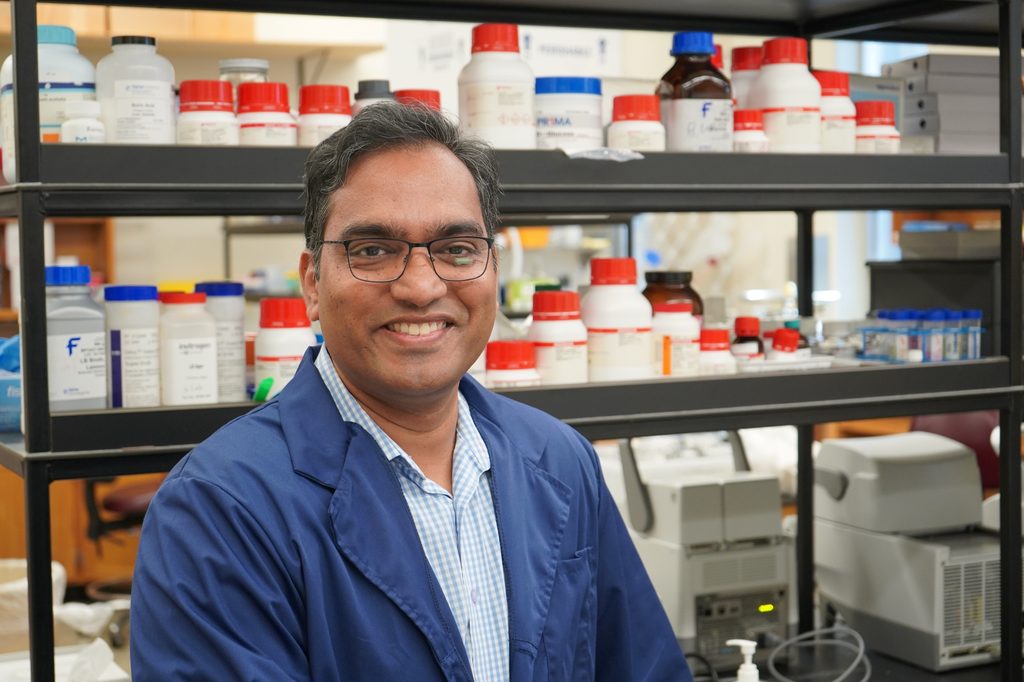
With the support of two new grants from the National Institutes of Health (NIH) totaling $6.6 million, researcher Bhanu Telugu aims to develop high-efficiency methods for generating genetically engineered pig models and build a genetic toolkit to help researchers study those models.
“These two projects address complementary challenges,” said Telugu, an associate professor in the College of Agriculture, Food and Natural Resources’ Division of Animal Sciences. “Together, they lay the foundation for a new generation of large-animal models that more faithfully represent human biology.”
Telugu explained that pigs closely resemble humans in organ size and function, making them uniquely suited for studying chronic diseases, advancing xenotransplantation and developing newer, safer medicines. Despite those advantages, widespread use of pig models in biomedical research has been limited due to a lack of sophisticated genetic tools.
The two NIH awards seek to overcome those limitations by advancing complementary technologies for engineering pig genomes and creating broadly accessible research resources.
The next generation of biomedical pig models, and the toolkit for studying them
The first award, a five-year NIH R01 research grant, focuses on developing a scalable stem cell-based platform for generating sophisticated Ossabaw pig models more efficiently.
Ossabaw models are particularly valuable for studying obesity, diabetes, cardiovascular disease and other metabolic disorders because of their natural susceptibility to obesity and associated metabolic dysfunction. Beyond metabolic disease research, the proposed stem cell technologies could support the generation of specialized tissues and organs in pigs, creating new opportunities for regenerative medicine and transplantation research.
The second grant, NIH R24, is a resource grant and will establish a national genetic resource platform — a toolkit — that will give researchers standardized tools for precisely controlling and monitoring gene activity in pigs. It will also develop resources that can be shared across the country through Mizzou’s National Swine Resource and Research Center (NSRRC), allowing researchers everywhere to implement genetically engineered pig models into their own projects.
“This platform will bring to pig models many of the capabilities that made mice indispensable to biomedical research,” Telugu said. “My greatest hope is that these projects will help researchers develop safe, effective treatments for patients.”
Building on CAFNR’s strengths in large-animal research
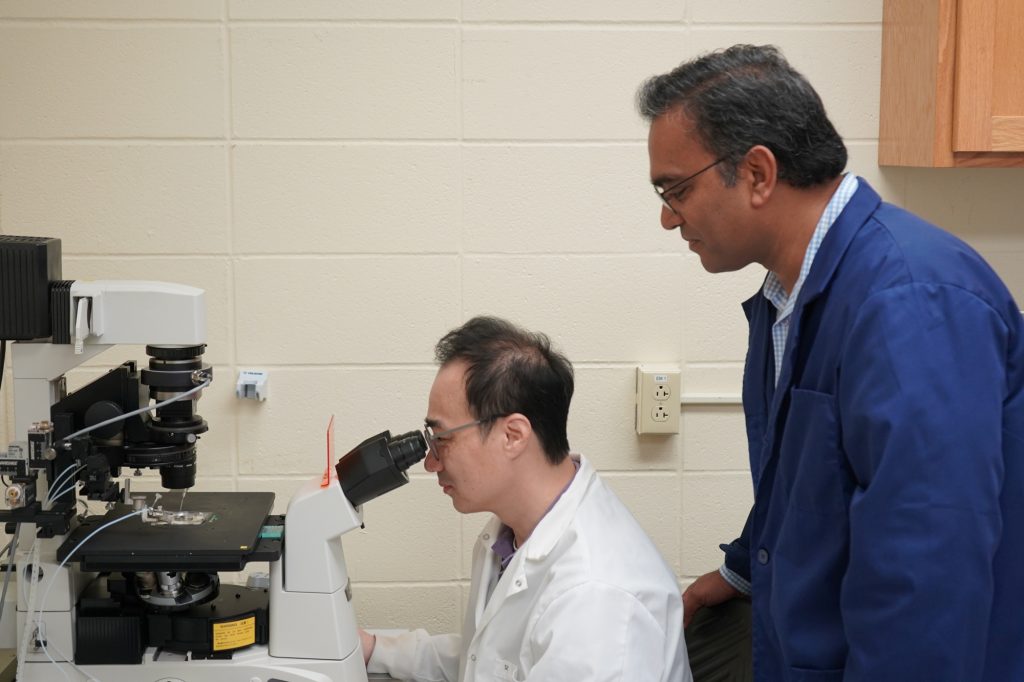
Telugu is a CAFNR alumnus, having obtained his Ph.D. in Animal Sciences from the university before returning as a faculty member in 2021. He also worked as an assistant and associate professor at the University of Maryland-College Park and as a trained veterinarian in India. In addition to biomedical research, he also uses pig models for agricultural applications, utilizing genome-editing tools to generate disease-resistant animals and improve animal performance.
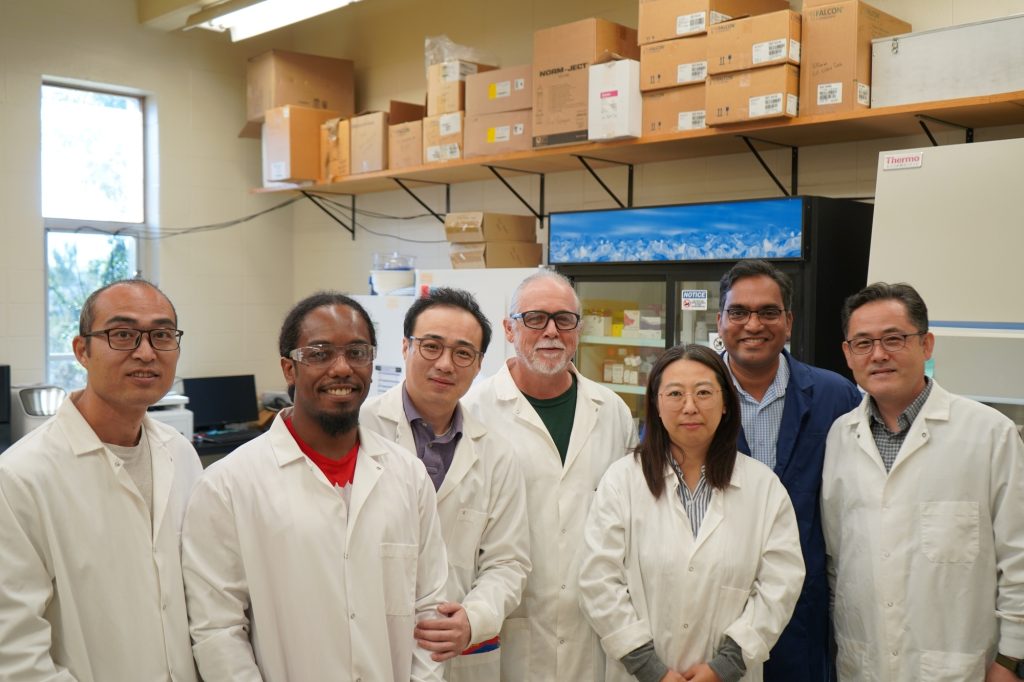
Telugu will conduct his projects at MU’s Animal Sciences Research Center and the NSRRC with co-investigator Chi-Hun Park and collaborators Kiho Lee and Robert Schnabel.
The Animal Sciences Research Center is home to several scientific areas, both basic and applied, that extend beyond the traditional areas of animal production and management to disciplines such as human health and immunology. Researchers in the fields of reproduction, genetics/genomics, meat science, nutrition and physiology use the facility with the shared goal of improving the lives of animals and people.
The National Swine Resource and Research Center was established in 2003 to develop infrastructure that ensures biomedical investigators across a variety of disciplines have access to critically needed swine models of human health and disease. The NSRRC also serves as a central resource for reagents and information and training related to use of swine models in biomedical research.
Telugu said the presence of the two centers on campus, combined with critical investments by leadership and an increasing number of researchers dedicated to the work, has positioned Mizzou as the focal point for swine research in the United States.
“We’re it,” Telugu said. “I don’t know if there’s anywhere else these projects could take place.”
Learn more about CAFNR research efforts at cafnr.missouri.edu/research/. Want more stories like this? Subscribe to the Research Digest newsletter.