Plant Science and Technology
Feb. 3, 2022
Katie Harris Wins 2022 Katherine S. McCarter Graduate Student Policy Award
Katie Harris, PhD student in the Division of Plant Science and Technology, was selected for the 2022 Katherine S. McCarter Graduate Student Policy Award (GSPA) through the Ecological Society of America (ESA) This award provides graduate students with the opportunity to participate in a virtual Congressional Visits Day. These students learn about the legislative process and federal science funding before meeting virtually with their members of Congress to discuss the importance of federal investments in the biological and ecological sciences. GSPA recipients will also explore policy career options.
Jan. 26, 2022
CAFNR Joy of Discovery Seed Grant Program Winners Announced
The first batch of proposals funded by CAFNR's Joy of Discovery Seed Grant Program has been announced. The Joy of Discovery Seed Grant Program supports nascent, collaborative, multi transdisciplinary research with the goal of developing a competitive proposal for federal funding.
Dec. 12, 2021
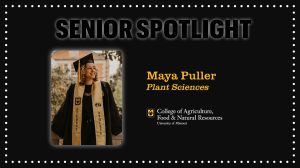
Senior Spotlight: Maya Puller
Puller will graduate with a degree in plant sciences.
Nov. 28, 2021
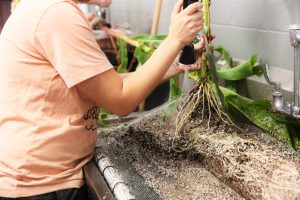
Sparking an Interest in Research
FRIPS Program allows first-year students an opportunity to get a first-hand look at plant research at MU.

Nov. 28, 2021
Q&A With Emma Critchfield
Critchfield is a junior in plant sciences.
Nov. 28, 2021
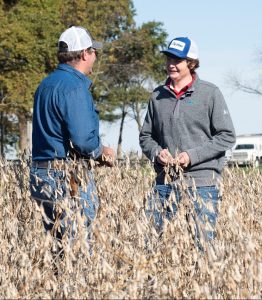
Plant Sciences Degree Helps CAFNR Alum Connect with Producers
Charlie Ebbesmeyer puts his plant sciences degree to use each day through his job with MFA Incorporated.

Nov. 28, 2021
Juan Cabrera-Garcia
Juan Cabrera‑Garcia, Ph.D., is a State Extension Specialist in Horticulture and Extension Master Gardener Program Director with the University of Missouri. His extension programming focuses on vegetable production systems, with emphasis on controlled environment agriculture, hydroponic nutrient solutions, irrigation management, water quality, and produce safety. He is the editor of the Missouri Produce Grower Bulletin, provides statewide leadership and training for horticulture regional specialists and coordinates produce safety education. His main research examines water quality and biofilm dynamics in irrigation systems, with the goal of improving irrigation efficiency, plant health, and food safety in vegetable and controlled environment…
Nov. 17, 2021
Three IPG Faculty Listed Among 2021 Highly Cited Researchers
This list recognizes world-class researchers selected for their exceptional research performance.
Nov. 10, 2021
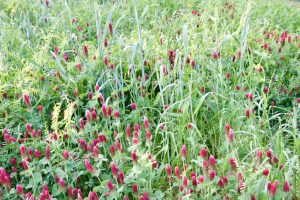
Center for Regenerative Agriculture Announces Virtual Conference
The conference will focus on cover crops and soil health.

Nov. 9, 2021
University of Missouri and University of Georgia Receive NSF-NIFA Award to Help Fight the Soybean Cyst Nematode
MU's Lesa Beamer and UGA's Melissa Mitchum will co-direct the 4-year award, which totals $1.2 million.