Beef
Aug. 19, 2026
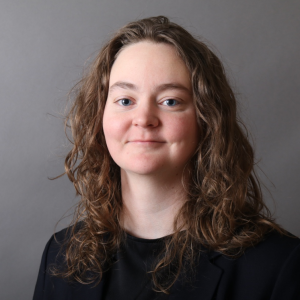
Shelley Curry
Curry is an Assistant Professor of Meat Science in the Division of Animal Sciences at the University of Missouri. Curry’s research program focuses on fresh meat quality and lipid biology, with an emphasis on understanding how animal nutrition, physiology and pre-harvest stress influence muscle lipid metabolism, carcass composition and subsequent meat quality. Research themes encompass: 1) determining how nutritional and environmental factors alter lipid deposition and metabolism in skeletal muscle, 2) investigating relationships among muscle lipid characteristics, fatty acid composition and fresh meat quality, 3) developing pre-harvest strategies to improve meat quality, consistency and shelf life, and…
Aug. 14, 2024
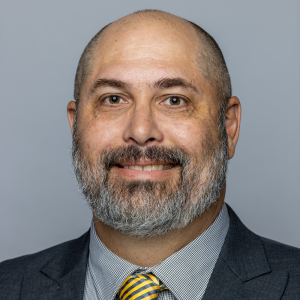
Jason R.V. Franken
My research is interdisciplinary by nature, drawing from economics, marketing, and decision sciences to understand the organization of marketing channels (i.e., transactions, contracts, and cooperatives) for adding value and managing risk. Educational background Courses taught…
July 18, 2024
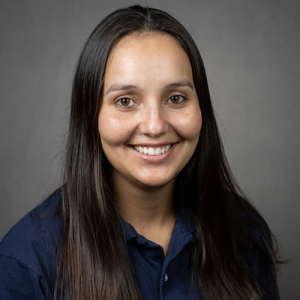
Cecilia Rocha
Cecilia has extensive experience in the field of reproductive physiology of beef cows. She develops applied and basic research aiming to increase reproductive efficiency in beef operations. Around 40 to 60% of cows lose a pregnancy in the first 30 days of gestation. Cecilia studies the main events that happen in this moment which could be manipulated to reduce pregnancy loss, such as, interferon-tau signaling, immune response of the uterus, and embryo-maternal crosstalk in uterine tissues. Educational background…
June 2, 2024
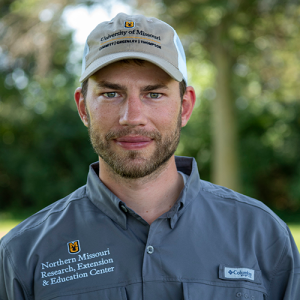
Carson Roberts
Roberts is an Assistant Professor and State Extension Specialist for Forage Agronomy at the University of Missouri. Roberts holds a Ph.D. in Plant and Soil Science from Mississippi State University. Roberts leads an applied research program on forage-livestock systems to support one of the largest beef herds in the U.S. He has a particular interest in in regenerative systems that improve drought resiliency. Educational background…
Jan. 22, 2024
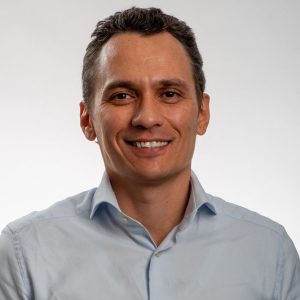
Thiago Martins
Our laboratory conducts studies on the topics of hormonal control of the estrous cycle and early embryonic losses in beef cattle. Specifically, we investigate progesterone-based strategies to improve efficiency of estrous synchronization programs for beef cows, embryo-maternal communication, and new fertility-promoting molecules. The research studies involve use of steroid assays, ultrasound, molecular techniques, and omics approaches. Our laboratory is also committed to promoting the use of reproductive biotechnologies in cow-calf operations. Educational background…

Oct. 15, 2023
Jamie Courter
Courter’s research focuses on applying genetics, genomics and reproductive technologies to improve the productivity, profitability and sustainability of beef cattle production. Her research combines quantitative genetics, genomics and reproductive management to address practical challenges facing beef producers, with an emphasis on economically important traits, including fertility and cow productivity. Her work includes evaluating and validating genomic prediction tools, improving the use of EPDs and selection indexes, investigating genetic influences on reproductive performance, and developing strategies for more effective replacement heifer selection and breeding-system design. Her research also explores the integration of genetic selection with reproductive technologies, including sex-sorted…
June 29, 2021
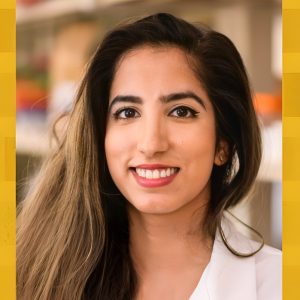
Jaapna Dhillon
Educational background…
Sep. 16, 2018
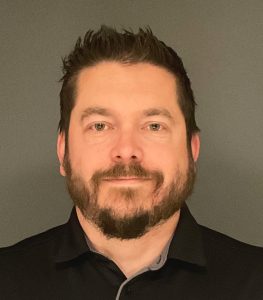
Derek Brake
Educational background Courses taught…
March 4, 2018
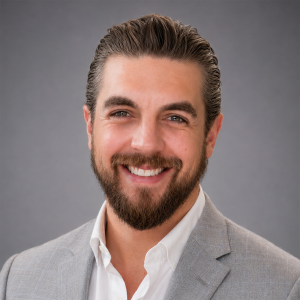
Jordan Thomas
Jordan Thomas is an associate professor in the Division of Animal Sciences at the University of Missouri. Dr. Thomas is a Missouri native and University of Missouri alumnus, having earned his Ph.D. in Animal Sciences with an emphasis in Reproductive Physiology in 2017. Dr. Thomas maintains an active applied research program in reproductive management of beef cattle, coordinating the breeding program for cattle across the University of Missouri Agricultural Experiment Station Research Center herds. Additionally, Dr. Thomas is active in collaborative efforts in education and outreach, such as the Show-Me-Select Replacement Heifer Program, the National Center for Applied Reproduction…
Nov. 12, 2017
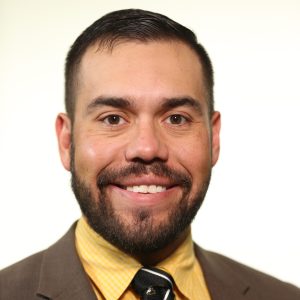
Eric Bailey
Eric Bailey is an Associate Professor and State Beef Nutrition Specialist at the University of Missouri. Bailey holds a Ph.D. in Beef Cattle Nutrition from Kansas State University. Bailey leads applied research on backgrounding and stocker cattle, with an emphasis on management of them on tall fescue pasture systems. Bailey leads the MU Extension Feedlot School program, is co-coordinator of the Missouri Grazing Schools, and the co-director of the Forage-Livestock Program of Distinction. Educational background…