Plant Science and Technology
Dec. 16, 2025
CAFNR students showcase small businesses, compete for funding
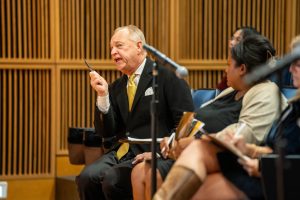
Last month, three CAFNR students participated in Mizzou's Entrepreneur Quest Student Accelerator Finale, with two placing high enough to receive funding for their business ideas – and all three receiving valuable experience.
Dec. 14, 2025
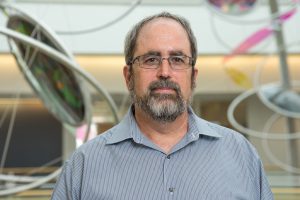
Ron Mittler selected to represent Mizzou for prestigious 2026 SEC Faculty Achievement Award
Ron Mittler, Curators' Distinguished Professor of Plant Science and Technology, has been selected as the University of Missouri’s 2026 recipient of the SEC Faculty Achievement Award. The purpose of this award is to honor individuals with outstanding records in both teaching and research while serving as role models for junior faculty and students.
Dec. 11, 2025
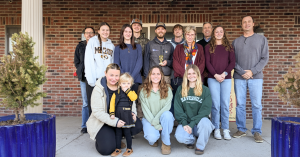
CAFNR Honors Michael Dennigmann as Driver to Distinction
Dennigmann is a senior research specialist.

Nov. 24, 2025
CAFNR announces Matching Equipment Grants Program winners
The CAFNR Office of Research has given out its most recent Equipment Matching Grants, which provide matching support for the purchase of major equipment that will advance the infrastructure available for research and will help improve research metrics identified in the CAFNR Strategic Plan. The equipment must be shared by several faculty members. In total, this funding period saw matching grants of $114,000 from CAFNR, with a total acquisition cost of $551,000 for all equipment.
Nov. 24, 2025
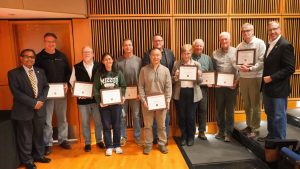
CAFNR honors top 10 faculty members in research funding
The CAFNR Office of Research recognized the "Top 10 in 10 Years" Friday, Nov. 21, at the annual CAFNR Novemberfest celebration. These are the Top 10 faculty members in research funding over the past decade (2016-25) in CAFNR.
Nov. 23, 2025
CAFNR doctoral student takes top honors in Mizzou Three-Minute Thesis Competition
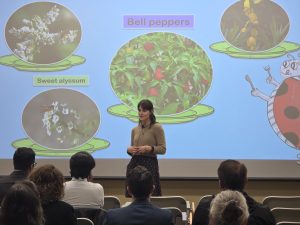
Leah Gastonguay, PhD student in plant, insect and microbial sciences, won first place in Mizzou's 3MT (Three-Minute Thesis) Competition Nov. 19. Her presentation was titled, "Feeding Hungry Pollinators."
Nov. 17, 2025
Ashley Van Doren
Nov. 11, 2025
CAFNR faculty members named Highly Cited Researchers for 2025
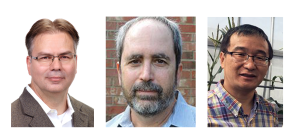
Three faculty in CAFNR's Division of Plant Science and Technology have been named 2025 Highly Cited Researchers by Clarivate, marking them as among the most influential researchers in the world: Felix Fritschi, C. Alice Donaldson Professor; Ron Mittler, Curators' Distinguished Professor and Bond Life Sciences Center faculty member; Bing Yang, Curators' Distinguished Professor and Bond Life Sciences Center faculty member.

Nov. 6, 2025
2025 Column Awards recognize outstanding CAFNR alumni
The College of Agriculture, Food and Natural Resources honored six recipients with the 2025 CAFNR Column Award for Distinguished Alumni at an event Thursday, Nov. 6. This is the only award specifically for alumni presented by the college – the highest honor bestowed by the College in celebration of outstanding alumni. The awardee class includes one graduate from each of CAFNR’s six divisions, reflecting the six historic columns at the University of Missouri.

Nov. 3, 2025
Mizzou researcher receives fellowship to advance pasture management technology for farmers
Bernardo Candido was one of four selected for a 2025 Taylor Geospatial Institute Planet Fellowship.