College Leadership
July 25, 2023
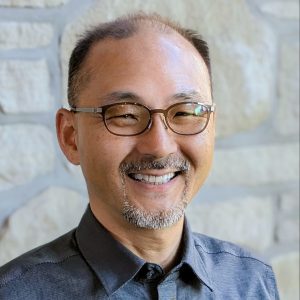
Dojin (DJ) Ryu
Educational background…

June 29, 2023
Stephanie McKay
The overarching goal of the McKay lab is to utilize the latest advances in biotechnology while developing new methodologies and resources to determine the extent to which epigenetic and epitranscriptomic modifications contribute towards economically important traits in livestock. While many epigenetic modifications exist, her current research focus is on 5-Methylcytosine, 5-Hydroxymethylcytosine and N6-Methyladenosine. The context in which her lab studies these modifications include neuroepigenomics, comparative epigenomics and functional annotation. Educational background…

May 14, 2023
Shibu Jose
Shibu Jose serves as the associate dean for research in CAFNR and as the director of the Missouri Agricultural Experiment Station. Previously, he was the director of the School of Natural Resources at the University of Missouri. He has also served as the H.E. Garrett Endowed Chair Professor and director of the Center for Agroforestry at the University of Missouri (2009-2017) and Professor of Forest Ecology at the School of Forest Resources and Conservation at the University of Florida (1998-2009) in the past. Jose received his bachelor’s degree from Kerala Agricultural University, India, and his master’s degree…
Sep. 21, 2021
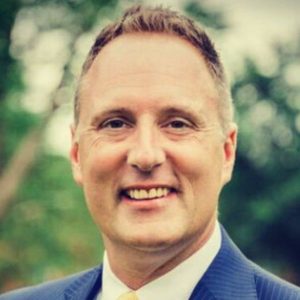
Shawn Poore

April 15, 2021
Tonya Mueller

April 4, 2021
Heike Buecking
Plants are metaorganisms that engage in intimate associations with a wide diversity of microorganisms. Many of these microorganisms are beneficial and help plants to overcome a variety of abiotic and biotic stresses. In our research, we focus particularly on arbuscular mycorrhizal (AM) fungi and nitrogen fixing rhizobia bacteria. AM fungi played a significant role during land plant evolution and form close interactions with the roots of 70% of land plants, including many agronomically important species, such as corn, soybean, or wheat. AM fungi increase the nutrient acquisition of for example phosphate, nitrogen, sulfur, and potassium from the soil, and…
Sep. 5, 2019
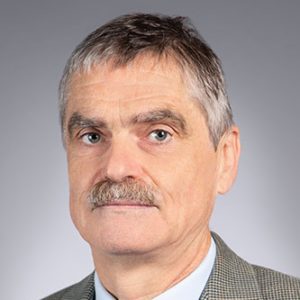
Michael S. Chapman
Structural Virology – Host Interactions: The US Food & Drug Administration has now approved two gene replacement therapies: Luxturna™ (2017), a treatment for congenital blindness and Zolgenesma™ (2019) for spinal muscular atrophy (SMA). 1,500 SMA infants have now been treated for this debilitating and fatal genetic disorder. These, and treatments for hemophilia and other diseases, use recombinant rAAV vectors to deliver DNA to afflicted cells. Our structure-function analyses provide a fundamental understanding of the atomic interactions key to cell entry, trafficking, and immune neutralization. These foundations are needed for the engineering of gene therapy vectors that are efficient and…

Feb. 26, 2018
Kerry Clark
Kerry Clark was a soybean breeder from 1993-2012 and continues to work on the Feed the Future Soybean Innovation Lab, which is trying to improve soybean yields and production across sub-Saharan Africa. She runs a mechanization development and fabrication training team that includes three equipment designers from Ghana. This team has trained over 200 manufacturers in 12 African countries and has helped build service provision businesses so that small-holder farmers can have access to modern farming methods. Clark is also part of a multi-state collaboration working to improve available cover crop varieties for U.S. farmers. She teaches soil pedology,…
Nov. 2, 2017
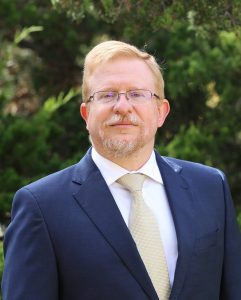
Patrick S. Market
The morphology and evolution of extratropical cyclones, jet streak-frontal interactions, heavy rainfall and snowfall forecasting, and precipitation efficiency, are primary research areas. Educational background Courses taught…
Aug. 13, 2017