Plant Structure & Function

Jan. 6, 2026
Jagdeep Singh Sidhu
Sidhu grew up on a small farm in Punjab, India, an experience that continues to shape his approach to agricultural research. Motivated by practical challenges faced by farmers, his work integrates fundamental plant biology with applied breeding to improve crop resilience. His training spans crop breeding and genetics, root biology, and in silico modelling. Educational Background…

June 23, 2025
Erin Sparks
Sparks holds a joint appointment with the University of Missouri and the Donald Danforth Plant Science Center. She is passionate about interdisciplinary approaches to solve complex challenges. Her background training includes a B.S. in Biomedical Engineering, a Ph.D. in Cell and Developmental Biology and postdoctoral work in Plant Molecular Biology. Educational background…

July 30, 2024
Joseph H. Lynch
Dr. Lynch grew up in rural Washington State and received his BS in Biology from Gonzaga University. He then earned his PhD from Washington State University in the Molecular Plant Sciences program, with his graduate research in the lab of Dr. Sanja Roje focusing on the metabolism of flavin cofactors. After completion of his degree, he took a postdoctoral position in Dr. Natalia Dudareva’s lab at Purdue University studying the production and release of phenylpropanoid/benzenoid volatiles in plants. During his postdoc, he helped elucidate a cytosolic pathway for synthesis of the amino acid phenylalanine in plants that operates in…

Sep. 24, 2023
Marc Libault
Marc Libault is a Professor in the Division of Plant Science and Technology at the University of Missouri-Columbia (USA). He received his Ph.D. degree in 2004 from the University of Paris-Saclay in Plant Cellular and Molecular Biology. In 2005, he joined the University of Missouri-Columbia as a postdoctoral associate to study the symbiotic interaction between soybean roots and nitrogen-fixing bacteria. In 2011, as a faculty member at the University of Oklahoma, Dr. Libault developed a systems biology approach on the root hair cell, the first cell infected by Rhizobia in legume plants. In 2018, he joined the…

July 4, 2023
Jaime Barros-Rios
The Barros laboratory is dedicated to conducting both fundamental research and applied biotechnology to tackle global challenges such as food security, climate change and the sustainable production of energy and commodity chemicals. Our work in the lab revolves around three main objectives: The primary focus of our research lies in understanding the metabolic processes related to plant cell wall composition, specifically focusing on the biosynthesis of lignin and other phenolic compounds. Lignin, a heterogeneous aromatic polymer derived from the Latin word “lignum” meaning wood, is the second most abundant biopolymer in nature and constitutes up to 40%…

April 30, 2023
Norman Best
Plant architecture directly influences plant productivity. The Best Lab is focused on manipulating the current maize architecture to improve productivity and resist yield losses incurred by a changing environment. Plant hormones regulate all aspects of plant architecture. Our research is primarily targeting three hormone pathways: gibberellins, brassinosteroids and auxin. We have identified that manipulating endogenous levels of these plant growth regulators through both genetic and biochemical approaches results in drastic effects on plant shape and form. While many of these changes in architecture are beneficial to improve plant performance, there are consequences that can cause deleterious effects. We have…
Feb. 7, 2023
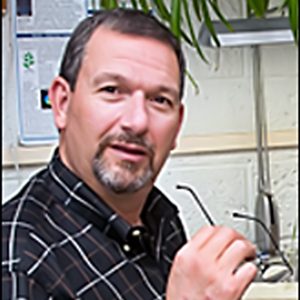
Richard Ferrieri
Rich Ferrieri earned his PhD degree in Nuclear & Radiochemistry from Texas A&M University in 1979, and then became a postdoctoral fellow under Alfred Wolf at Brookhaven National Laboratory (BNL). He was later hired onto the scientific staff at BNL working on the medical applications of Positron Emission Tomography (PET) for animal and human research. In 2002, he shifted his interest away from medical research, and into plant biology leveraging many of the same imaging and radiochemistry tools to study basic plant functions. He is credited with developing the first radiolabeled PET plant hormone (11C-jasmonic acid) to study its…

Feb. 6, 2023
Richard Dixon
Educational background…

Feb. 20, 2022
Sam Lord
Educational background Courses taught…

June 29, 2021
Craig Schenck
To deal with relentless environmental pressures, plants produce an arsenal of structurally diverse defensive chemicals. These sometimes-complex compounds are derived from much simpler building blocks from primary metabolic pathways. Unlike well-documented diversification of plant specialized metabolic enzymes, core metabolic pathways are highly conserved and evolutionarily constrained because they serve essential metabolic functions, which makes manipulation of these pathways difficult. The expansion and alteration of core metabolism has given rise to the evolution of structurally diverse plant specialized metabolites. However, the underlying mechanisms enabling metabolic diversity and the connections linking core to specialized metabolism are not well known. These…