Insects & Plant Pathogens

Jan. 9, 2018
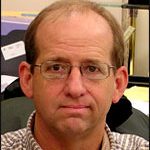
Qisheng Song
Transformation of an insect from larva to adult, i.e. molting and metamorphosis, is a miracle of biology. Molting and metamorphosis provide insect with an ability to adapt to total different environmental conditions at different stages of its life cycle and is the main reason for the great success of insects on this planet. The molting process is initiated by molting hormone, mainly 20 hydroxyecdysone (20E), and ended up with cuticle sclerotization, regulated by a neuropeptide hormone bursicon. The research interests of my laboratory are mainly focused on molecular mechanisms of 20E and bursicon actions. Specifically, we are investigating…
Jan. 9, 2018
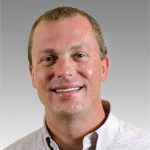
James Schoelz
The Jim Schoelz lab is working to understand the environmental and genetic factors that influence the pathogenicity and host range of plant viruses. They have identified a gene in cauliflower mosaic virus (CaMV) that triggers a hypersensitive defence response in solanaceous species. The hypersensitive response (HR) to plant pathogens, including plant viruses, is defined as a resistance response in which the plant pathogen remains localized in necrotic lesions on the inoculated leaf. In general, necrosis and resistance are closely associated, and considered physiologically and genetically linked phenomena. Schoelz has found that the HR of Nicotiana edwardsonii to CaMV…
Jan. 9, 2018
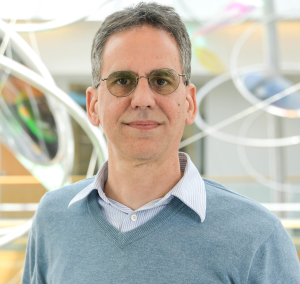
Andrew Scaboo
Educational background…
Jan. 8, 2018
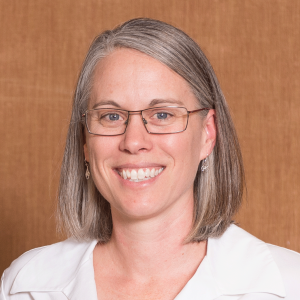
Walter Gassmann
Gassmann received his Ph.D. from UC San Diego in 1996 researching plant membrane transporters in the lab of Dr. Julian Schroeder. As a post-doctoral researcher in the lab of Dr. Brian Staskawicz, UC Berkeley, he cloned and characterized RPS4, one of the founding members of the Toll/Interleukin-1 Receptor – Nucleotide Binding Site – Leucine-Rich Repeat (TNL) class of plant innate immune receptors, that recognizes the presence of the bacterial effector protein AvrRps4. His lab at MU, which he started as an assistant professor in the Department of Plant Microbiology & Pathology in 2000, cloned the second antibacterial receptor of…
Jan. 8, 2018
Deborah Finke
Educational background Courses taught…
- « Previous
- 1
- 2
- 3